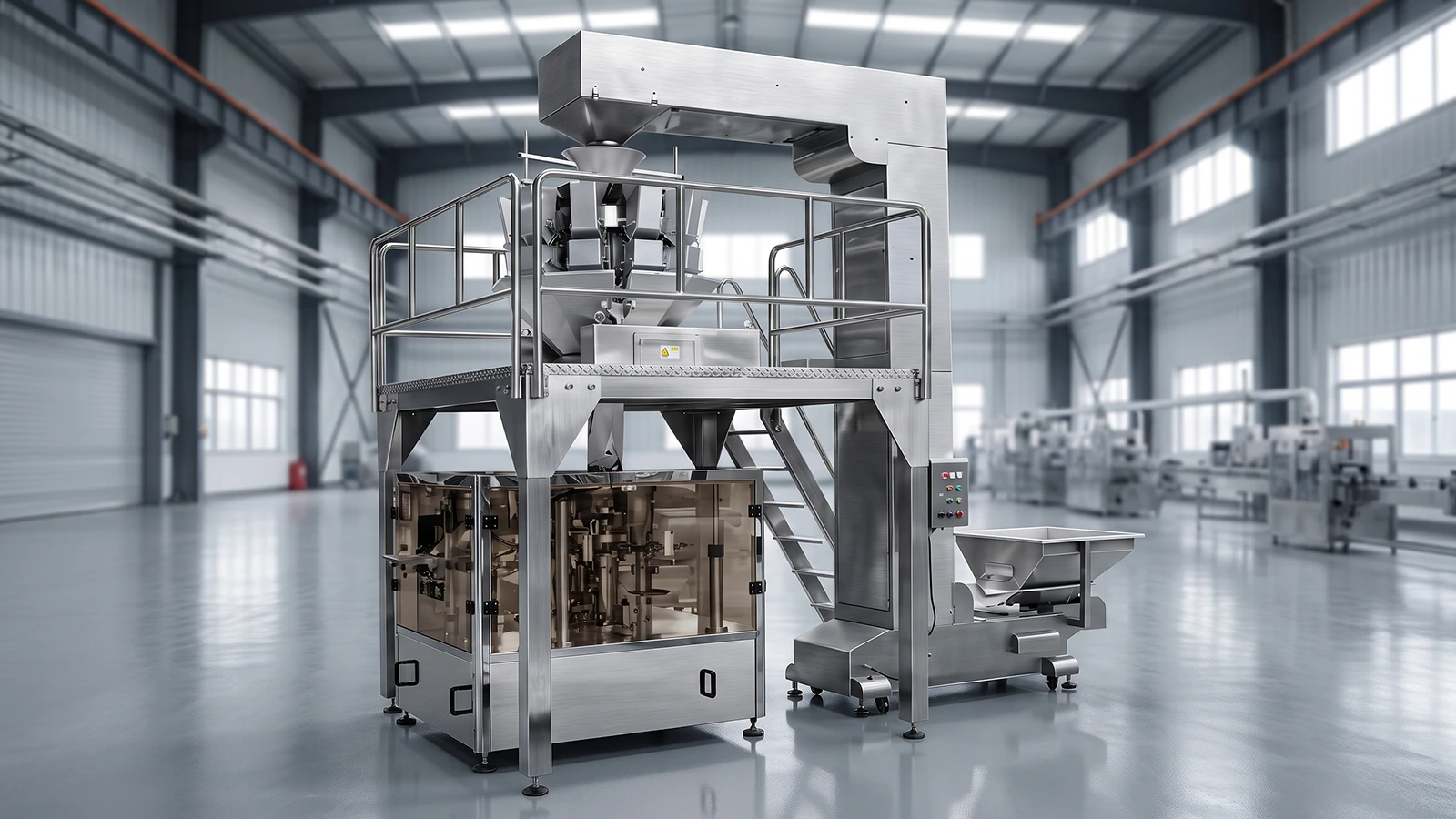
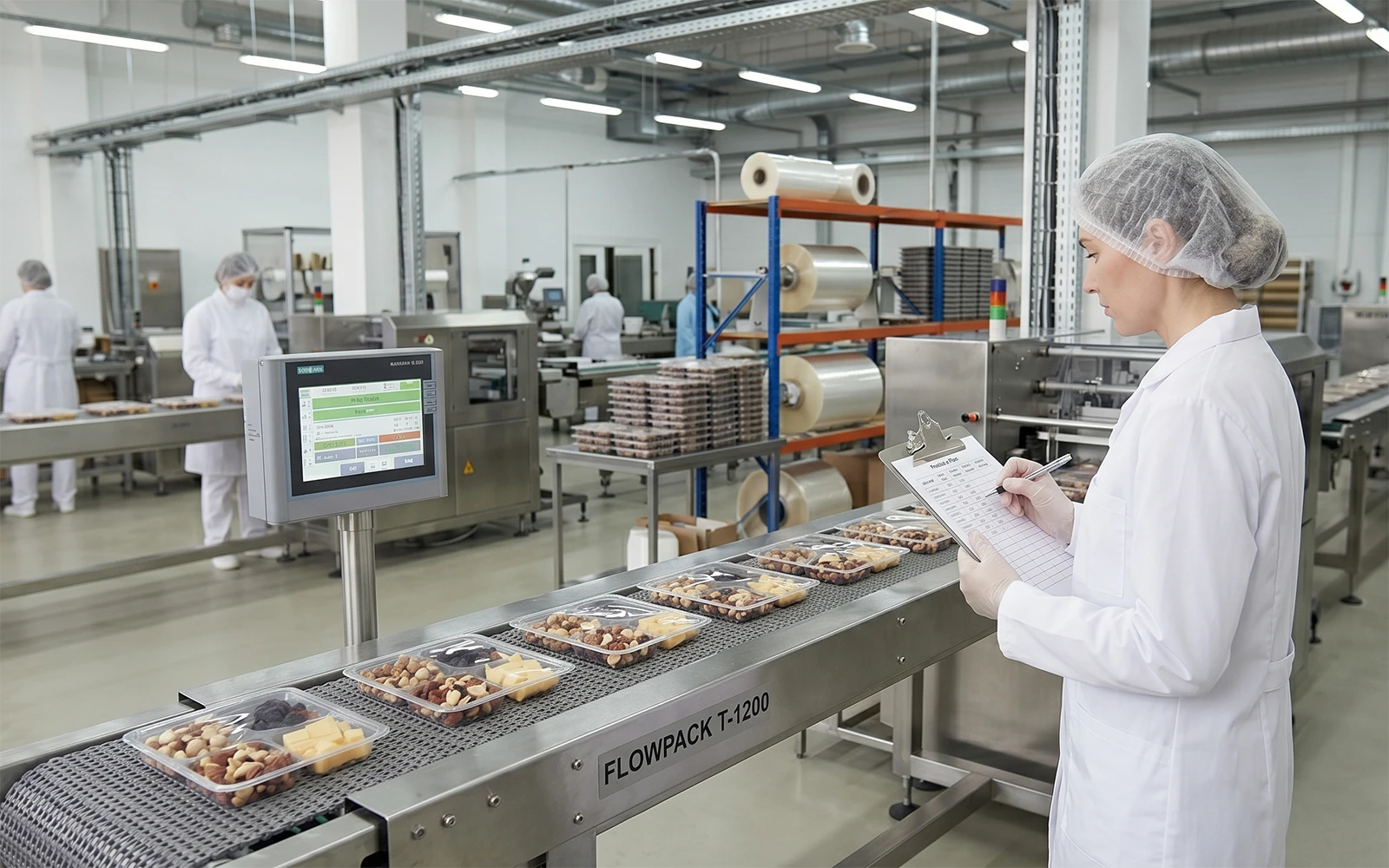
The total cost of a food packaging machine ranges from basic entry-level equipment to fully automated assembly configurations, determined primarily by automation capabilities, material integration, throughput requirements, and custom technical engineering.
Your processing facility might be managing tight margins due to unpredictable labor overhead and high product giveaway from manual filling routines. These operational leaks reduce your long-term profitability and prevent your brand from competing effectively for large-scale export contracts with buyers in North America or Europe. Evaluating component specifications and cost structures is a fundamental element of How to Choose a Food Packaging Machine for Modern Lines to ensure you balance upfront machinery investments with long-term line efficiency.
What Are the Primary Drivers of Food Packaging Machine Cost?
The primary drivers of food packaging machine cost include the mechanical design complexity, the level of automation required, and the quality of integrated electronic components. Choosing a specialized system dictates your initial capital expenditure based on these technical build variations.
Automation and Integration Levels
Here’s the deal:
Semi-automatic units require manual intervention for bag placement, while fully automated systems handle everything from roll-fed film forming to end-of-line sealing without human contact.
- Semi-automatic machines offer low initial prices but sustain higher ongoing labor costs.
- Fully automatic lines require a larger upfront investment but reduce the cost per package over multi-shift runs.
- Rotary packaging configurations add structural complexity to support pre-made pouch handling.
Material Build and Component Selection
The reality is:
The types of metals and electronic brands used in construction alter the durability and reliability of the system under harsh factory conditions.
- Stainless Steel 304 is standard for dry environments and non-corrosive products.
- Stainless Steel 316L increases the equipment price but provides necessary resistance for high-acid food handling.
- International electronics brands like Siemens or Omron increase the machine price but simplify global parts sourcing.
| Component Class | Standard Choice | Premium Choice | Cost Impact |
| Frame Metallurgy | Stainless Steel 304 | Stainless Steel 316L | Moderate increase |
| Automation Tier | Semi-Automatic | Fully Integrated Line | High increase |
| Control Electronics | Local Brand PLC | Siemens / Omron PLC | Low to moderate increase |
Balancing these hardware specifications helps you avoid overpaying for unnecessary features while securing long-term operational stability.
Key Takeaway: Understanding hardware cost drivers allows you to invest in a machine configuration that matches your actual production environment without exceeding your capital budget.
How Do You Calculate the Return on Investment for Automation?
Calculating the return on investment for automation requires comparing your current manual labor expenses and product giveaway metrics against the reduced operating costs of a modern food packaging machine. This financial calculation reveals the exact timeframe needed for the equipment to pay for itself through resource savings.
Labor Savings and Efficiency Gains
Look at the numbers:
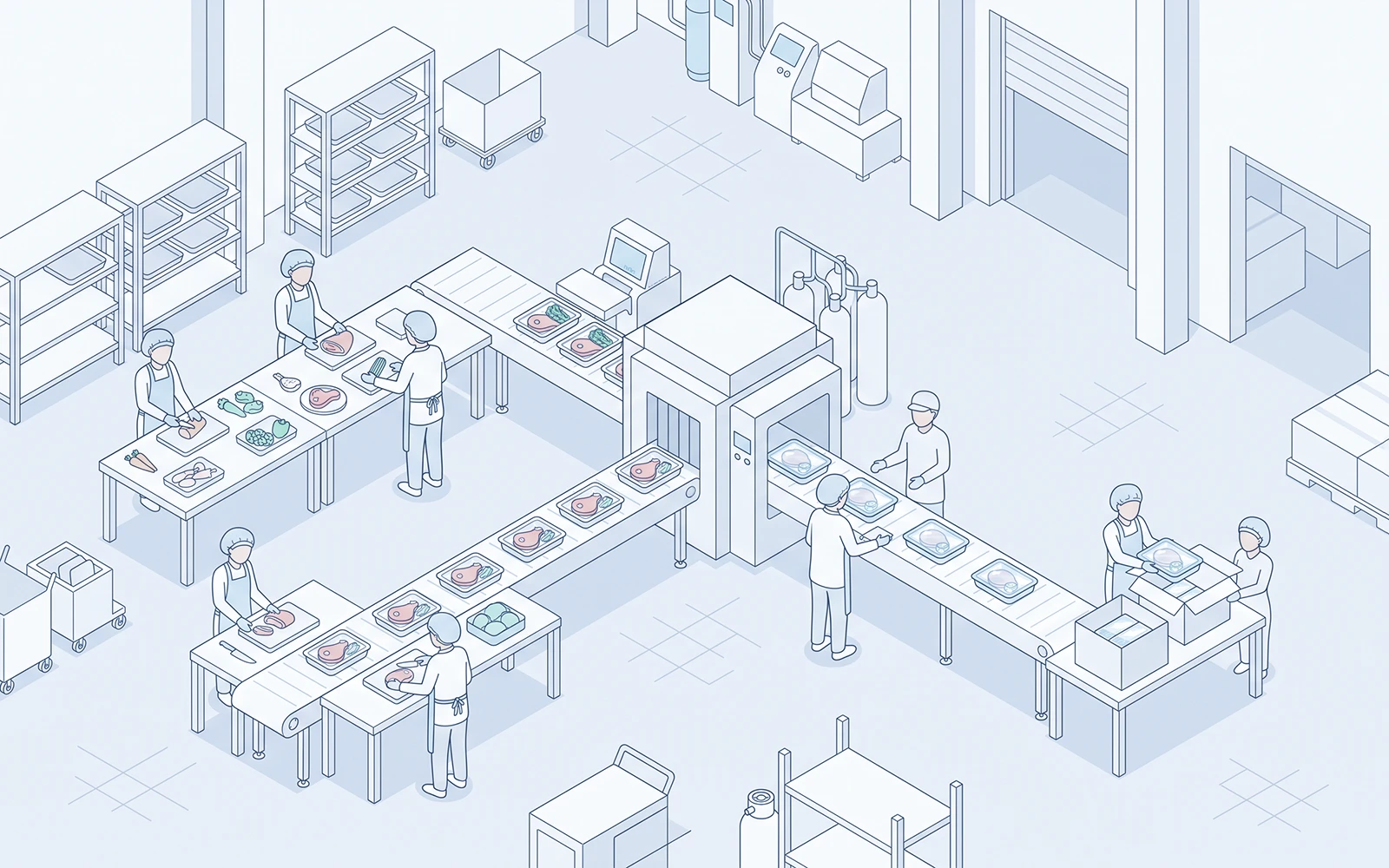
Replacing manual packing lines with high-speed automated equipment directly lowers your direct labor overhead while increasing consistent hourly throughput.
- A single automated system can complete the work of multiple manual packers simultaneously.
- Consistent mechanical output eliminates production drops caused by worker fatigue during extended shifts.
- Personnel can be reallocated to quality control or supervisor roles within the plant.
Product Waste and Film Reduction
The truth is:
Human error in weighing and sealing leads to product giveaway and rejected batches that drain your profitability over time.
- Load cell sensors control portioning to keep weight variance below a fraction of a gram.
- Automated tension controls prevent film tearing and minimize trimming waste during the cut cycle.
- Hermetic sealing accuracy prevents leaks that cause premature product spoilage and costly buyer returns.
| Operating Metric | Manual Processing Line | Automated Machinery Line | Financial Benefit |
| Labor Requirements | High per shift unit | Minimal operator supervision | Major overhead reduction |
| Weight Variance | Inconsistent margins | Under 1% error tolerance | Drastic product waste savings |
| Output Consistency | High hourly variance | Continuous stable speed | Predictable delivery planning |
These operational savings create an accumulation of capital that quickly offsets the initial equipment purchase.
Key Takeaway: Evaluating labor and material waste reductions provides a clear financial justification for transitioning from manual packing to automated systems.
What Are the Hidden Expenses in Packaging Equipment Ownership?
The hidden expenses in packaging equipment ownership involve routine maintenance, spare parts provisioning, factory floor integration, and unexpected operational downtime. Anticipating these long-term expenses prevents budget strains after your food packaging machine arrives at your facility.
Maintenance Protocols and Wear Parts
Think about it:
Certain mechanical components undergo constant friction and thermal stress, requiring planned replacement intervals to maintain steady output quality.
- Heating elements and Teflon sealing strips require regular monitoring and frequent replacement.
- Cutting blades dull over extended operation and must be sharpened or swapped out.
- Lubricants formulated for food-grade machinery must be applied according to a strict schedule.
Installation and Facility Modifications
The result?
Integrating a new line into your existing workspace might require electrical upgrades, pneumatic system expansions, or custom conveyor tracking.
- Voltage mismatches between the supplier machine and your local grid require transformer installations.
- Pneumatic systems must deliver clean, dry air at a consistent pressure to prevent valve failures.
- Line configuration adjustments ensure smooth product transition into downstream labeling stations.
| Expense Type | Frequency | Budget Allocation | Risk If Neglected |
| Wear Parts Kit | Monthly inspection | Low recurring cost | Poor seal quality and leaks |
| Site Engineering | Once at installation | Low upfront cost | Extended setup downtime |
| Calibration Services | Bi-annual check | Moderate maintenance cost | Inaccurate filling weights |
Budgeting for these operating variables ensures uninterrupted production cycles and extends the total lifespan of the system.
Key Takeaway: Factoring in routine maintenance and site preparation prevents unexpected operational bottlenecks and maintains consistent sealing quality.
Securing Your Production Future with the Right Technology
Balancing initial equipment expenditures against long-term operational efficiency is a practical component of scaling a professional production facility. Reliancepak provides transparent pricing structures and precision-engineered machinery designed to lower your per-unit packaging costs while increasing line reliability. Contact our engineering team today at [email protected] to receive a detailed cost analysis and custom equipment proposal tailored to your specific product requirements.
Providing reliable, cost-effective automation technology forms the cornerstone of sustainable growth for modern global food processing operations.
FAQ
Can I reduce my initial purchase cost by choosing a semi-automatic system?
Yes. Semi-automatic options lower your initial machinery expenditure, but they require ongoing labor input which increases your long-term cost per package.
How do I calculate the exact payback period for a new system?
You can divide the total initial investment by your monthly savings in labor and material waste to find the number of months required to achieve full payback.
Can a standard machine handle multiple pouch sizes without additional expenses?
No. Changing bag widths typically requires purchasing separate forming assemblies, though bag lengths can usually be adjusted directly through the PLC screen.
How do international component brands affect my overall maintenance budget?
Yes, they increase the initial cost, but utilizing widely available brands like Siemens ensures you can find replacement parts locally, minimizing expensive shipping delays.
Can automated systems prevent product giveaway completely?
No. While total elimination is impossible, integrated load cells reduce weight variance to a negligible level, preventing the heavy losses associated with manual scooping.