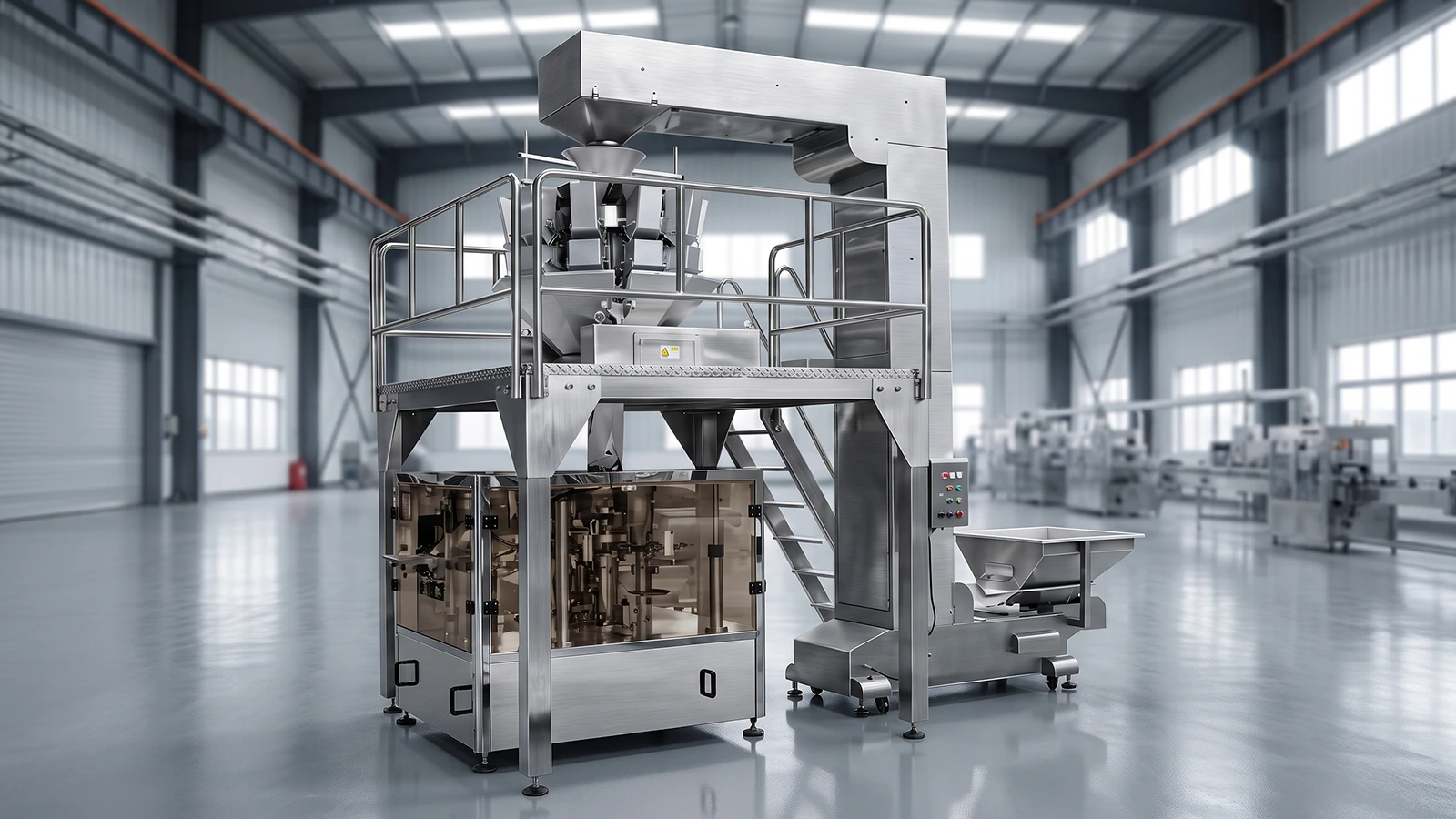
A food packaging machine relies on consistent maintenance to ensure high-speed operation, preserve seal integrity, and prevent costly production downtime. Regular servicing extends the lifespan of technical components, allowing food processors to sustain reliable manufacturing throughput and meet global safety standards.
Rising labor costs and unexpected equipment breakdowns often slow down your packaging line. These operational bottlenecks lead to wasted packaging film, product spoilage, and missed shipment deadlines that frustrate international buyers. Implementing a structured maintenance protocol solves these issues, helping you scale production while maintaining stable profit margins.
Why Does Routine Food Packaging Machine Maintenance Matter?
Regular upkeep of your food packaging machine prevents minor component wear from turning into complete system failures. Clean, calibrated machinery ensures every pouch or tray meets the exact seal parameters required to protect food products from environmental contamination.
Preventing Unplanned Line Shutdowns
Industrial packaging environments subject mechanical parts to high temperatures, constant friction, and potential debris accumulation. Neglecting these factors directly compromises your daily output targets.
- Component Longevity: Regularly lubricating moving joints and bearings reduces mechanical strain on servo motors.
- Consistent Throughput: Clean sensors and aligned belts allow the system to operate at maximum speed without unexpected pauses.
- Predictable Upkeep: Scheduled inspections shift your operations from reactive repairs to planned, low-impact servicing windows.
A well-maintained automated system delivers steady performance, ensuring your facility matures into a reliable high-volume operation.
Protecting Seal Quality and Brand Reputation
Inconsistent sealing temperatures or dirty sealing jaws allow air and moisture to enter the finished package, leading to rapid product degradation.
- Airtight Integrity: Clean heating bars ensure a perfect hermetic bond that prevents bacterial growth inside food containers.
- Waste Reduction: Proper calibration minimizes material giveaway and rejected packages during high-speed production runs.
- Buyer Confidence: Delivering perfectly sealed products builds immediate trust with supermarket procurement managers.
| Service Interval | Core Focus Area | Operational Benefit |
| Daily | Sanitization & Jaws | Prevents contamination |
| Weekly | Belt Tension & Air Press. | Maintains timing accuracy |
| Monthly | Electrical Calibration | Ensures stable temperature |
Technical synchronization across all modules guarantees your product remains safe throughout the distribution cycle.
Key Takeaway: Routine maintenance is a fundamental investment that protects your product quality while significantly lowering your long-term operational overhead.
What Are the Most Common Packaging Machine Problems and Solutions?
Identifying the root cause of common issues like weak seals or bag length variances allows your operators to perform quick troubleshooting. Early intervention keeps the line running efficiently and avoids expensive technical service calls.
Solving Weak Seals and Product Leaks
Weak seals are typically caused by incorrect pressure settings, fluctuating temperatures, or product contamination in the sealing area.
The reality?
- Temperature Adjustments: Verify PLC settings match the technical specifications of your current packaging film.
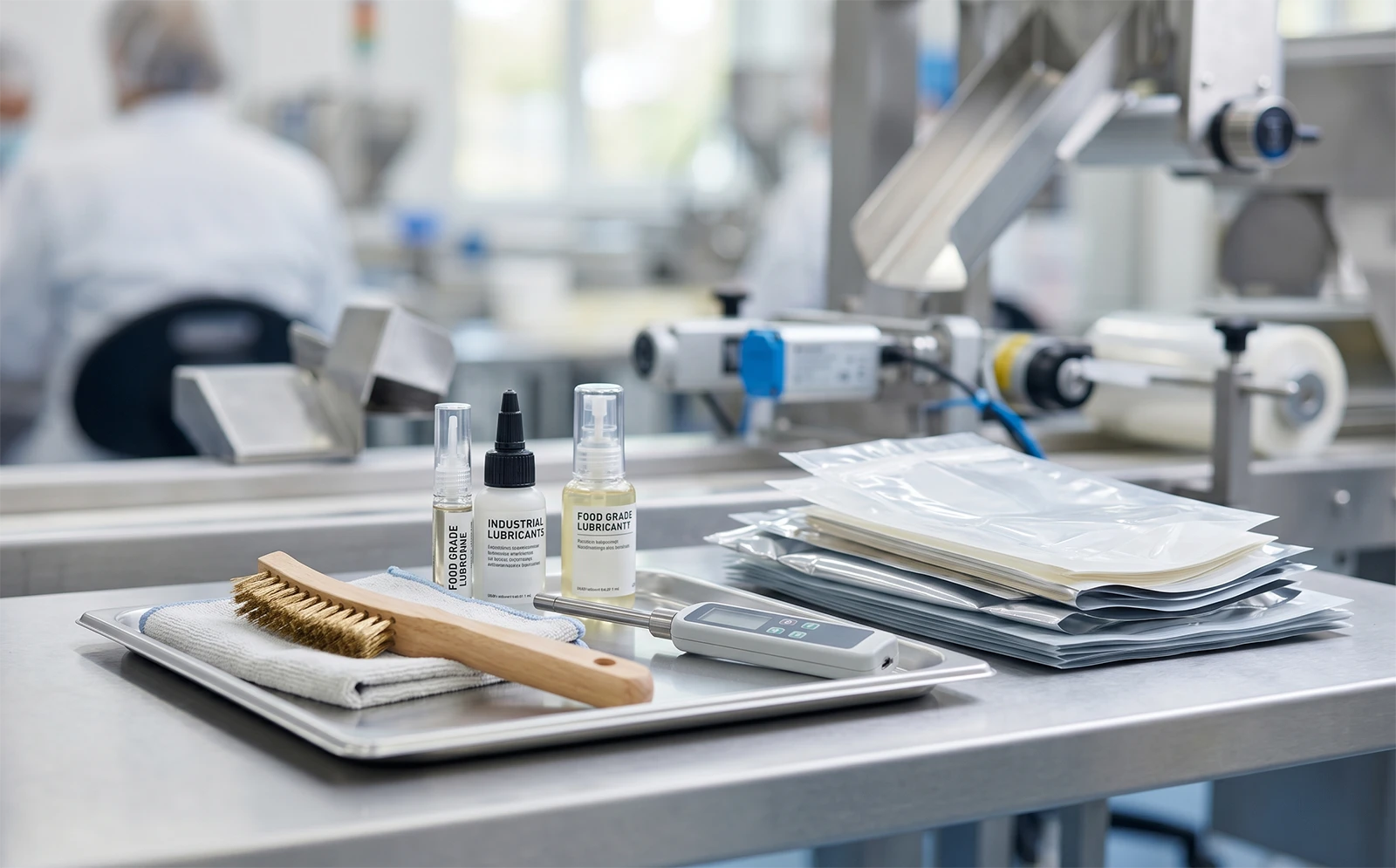
- Jaw Cleaning: Remove carbonized plastic residue from the sealing bars using a non-abrasive brass brush.
- Timing Optimization: Adjust the filling cycle to prevent sticky liquids or fine powders from splashing onto the seal zone.
Correcting these parameters restores the high-barrier protection necessary for fresh food items that require extended shelf life.
Correcting Bag Length Variance and Film Slippage
Inconsistent bag lengths or misaligned artwork usually stem from tracking errors or tension imbalances in the film feed system.
Think about it:
- Sensor Maintenance: Clean the eye-mark photo-sensor to ensure it accurately detects the registration marks on the film.
- Tension Control: Adjust the brake system or roller alignment to prevent the packaging material from slipping during high-speed pulls.
- Roller Inspection: Check drive belts for wear and replace any parts that have lost their grip.
Training your operators to handle these adjustments ensures a clean, uniform packaging result on every shift.
Key Takeaway: Most operational errors can be solved by adjusting PLC parameters or cleaning critical sensors, reducing reliance on external technicians.
How to Establish an Effective Preventive Maintenance Schedule?
A successful preventive program divides tasks into daily, weekly, and monthly checklists based on your specific production scale and material usage. For comprehensive guidance on equipment selection and line integration, refer to our comprehensive guide on how to choose a food packaging machine for modern lines.
Daily and Weekly Maintenance Tasks
Daily attention should focus on food-contact surfaces and high-wear components that interact directly with your products.
- End-of-Shift Cleaning: Sanitize all nozzles, forming tubes, and sealing jaws to prevent bacterial buildup and residue accumulation.
- Pneumatic Verification: Check air pressure gauges to ensure cylinders and actuators are firing with consistent force.
- Visual Inspections: Examine drive belts and cutting blades for early signs of physical wear or misalignment.
Documenting these quick checks keeps your workforce accountable and maintains consistent production standards.
Monthly Calibration and Spare Parts Management
Monthly checks involve deeper technical inspections of electrical systems, heating elements, and mechanical timing.
Here is why:
- Heater Calibration: Use external thermal sensors to verify that the actual jaw temperature matches the PLC readout within a 1-degree margin.
- Inventory Control: Keep a localized kit of essential spare parts, including heating wires, thermocouples, and cutting knives, to minimize downtime.
- Software Backups: Periodically save your custom product recipes on the PLC controller to prevent data loss during power surges.
| Selection Factor | Consideration | Why it Matters |
| Flowability | Viscosity or dusting | Dictates cleaning frequency |
| Speed Requirement | Bags per minute (BPM) | Determines component wear |
| Material Choice | PE, PET, Foil, Paper | Affects heat jaw buildup |
Taking the time to execute structured inspections prevents unexpected retrofitting or emergency shutdowns in the future.
Key Takeaway: A disciplined maintenance culture lowers your total cost of ownership and ensures your production line remains a highly reliable asset.
Securing Your Production Future with Reliancepak
Optimizing your food production starts with choosing reliable equipment that balances high performance with ease of maintenance. Reliancepak provides the engineering expertise and robust automated systems needed to transform your facility into an efficient manufacturing site. Contact our technical team at [email protected] or visit autopackline.com to explore our custom packaging solutions.
We help you meet global safety standards with machinery built for long-term reliability and straightforward servicing.
FAQ
Can I use standard lubricants for my packaging machinery?
No. You must use certified food-grade lubricants on all moving parts near the product zone to prevent chemical contamination and comply with safety regulations.
How do I know if a heating element needs replacement?
If the PLC shows fluctuating temperatures or the seal bars fail to reach the set temperature within a standard warm-up period, the heating element or thermocouple should be tested and replaced.
What should I do if the film tears during high-speed runs?
First, reduce the film tension settings on the spindle. Next, check the forming collar for sharp residues or misalignment that could catch the film.