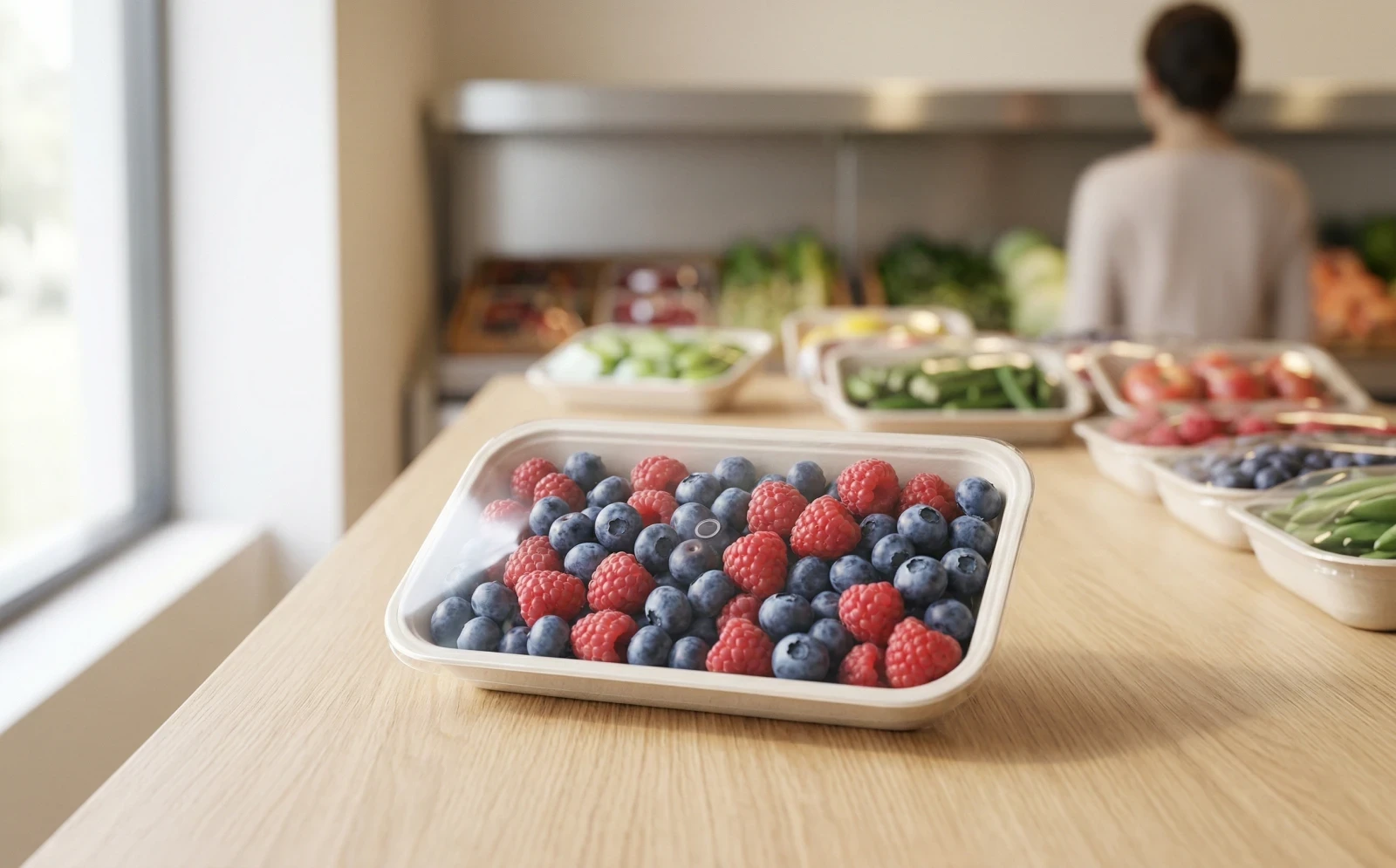
A map packaging machine offers several critical advantages by extending product shelf life, preserving natural aesthetics, and eliminating the need for chemical preservatives through precise gas control. This industrial equipment replaces standard air with a specific mixture of nitrogen and carbon dioxide to protect fresh goods from microbial growth and oxidation.
B2B food producers often struggle with high spoilage rates during long-distance transport, which directly threatens profit margins and supply chain stability. This logistical volatility prevents companies from reaching international retailers or maintaining a consistent inventory. By implementing advanced atmospheric technology, you can stabilize your distribution cycle and ensure every unit arrives in peak condition.
Does a map packaging machine significantly extend product shelf life?
A map packaging machine effectively triples or quadruples the shelf life of perishable items by inhibiting the biological processes that lead to decay. Utilizing a map packaging machine allows you to replace reactive oxygen with inert gases, which stops aerobic bacteria from reproducing. This technological shift is a core component discussed in The Comprehensive Guide to Modified Atmosphere Packaging Machines (MAP Machine) for Industrial Efficiency.
Biological Preservation Mechanics
The deal is this: different products require unique gas environments to stay fresh.
- Carbon dioxide suppresses mold and bacterial growth at concentrations between 20% and 80%.
- Nitrogen acts as a protective filler to prevent the package from collapsing around the product.
- Oxygen levels are precisely managed to maintain the vibrant red color in beef or prevent pathogen growth in seafood.
The truth is that without these specific gas ratios, fresh food begins to degrade immediately after the sealing process.
| Shelf Life Factor | Standard Air Result | MAP Result |
| Bacteria Growth | Rapid proliferation | Significantly inhibited |
| Oxidation | Browning and rancidity | Minimal to none |
| Mold Presence | High risk | Highly suppressed |
Precision gas mixing is the primary driver behind extended freshness.
Key Takeaway: A map packaging machine is the most reliable method for lengthening the retail window of fresh products without altering their natural state.
Can a map packaging machine help reduce food waste costs?
A map packaging machine reduces operational waste by ensuring a higher percentage of produced goods reach the consumer without spoilage. Implementing a map packaging machine in your facility minimizes the frequency of product returns and mark-downs caused by expiration. This efficiency directly improves your net profit by protecting the value of your inventory throughout the distribution chain.
Economic Efficiency in Production
Here is the deal: waste reduction translates into immediate financial gains for large-scale factories.
- Fewer spoiled units mean you maximize the return on raw material investments.
- Stabilized products reduce the urgency of daily deliveries, lowering logistical pressure.
- Retail partners are more likely to stock your items if they have a reliable sell-by window.
This technology turns a vulnerable supply chain into a predictable asset.
| Waste Driver | Traditional Impact | MAP Impact |
| Expiration Returns | High volume | Minimal |
| Retail Mark-downs | Frequent | Rare |
| Transportation Loss | Significant | Negligible |
Reducing waste is a critical step toward achieving sustainable and profitable industrial growth.
Key Takeaway: Using a map packaging machine allows you to capture lost revenue by preventing the physical and chemical degradation of your stock.
Does this technology improve food safety and brand trust?
A map packaging machine improves food safety by creating a hermetic seal that serves as a consistent barrier against external contaminants. When you use a map packaging machine, you provide consumers with a product that has been protected from airborne pathogens and environmental fluctuations since the moment of sealing. This reliability builds long-term brand trust by ensuring a uniform quality experience for every buyer.
Quality Assurance Standards
The point is that your reputation depends on the safety of your output.
- Hermetic seals prevent the migration of moisture and external bacteria into the container.
- Specific CO2 levels provide an active antimicrobial environment that continues to work inside the package.
- High-barrier films used with these machines maintain the internal atmosphere during rough handling.
Safety is not just a requirement; it is a competitive advantage in the global food market.
| Safety Feature | Protective Mechanism | Benefit |
| Hermetic Seal | Physical barrier | Zero contamination |
| Gas Barrier | Film technology | Atmosphere stability |
| Antimicrobial CO2 | Biological inhibitor | Inhibited spoilage |
A secure package is the foundation of a reliable B2B relationship.
Key Takeaway: A map packaging machine guarantees a higher standard of hygiene and safety, which is essential for maintaining retail and consumer confidence.
How does it support preservative-free clean label marketing?
A map packaging machine supports clean label initiatives by replacing chemical additives with natural atmospheric gases to maintain freshness. A map packaging machine utilizes nitrogen and carbon dioxide—gases already present in the air—to achieve the same shelf-life results as traditional preservatives. This allows you to market your products as natural or preservative-free, meeting the high demand from modern health-conscious consumers.
Meeting Consumer Demand
It gets better: you can eliminate artificial ingredients without sacrificing the stability of your product.
- Nitrogen and CO2 are food-grade gases that leave no residue or flavor change.
- MAP technology allows for the removal of nitrates and other chemicals often found in processed meats.
- Natural preservation methods align with premium pricing strategies in the retail sector.
Removing chemicals is a powerful way to differentiate your brand in a crowded market.
| Preservative Type | Consumer Perception | MAP Alternative |
| Chemical Additives | Negative / Unhealthy | Not needed |
| Nitrates/Sulfites | High concern | Gas displacement |
| Natural Gases | Neutral / Safe | CO2 and N2 |
The transition to gas-based preservation is a sustainable choice for future-oriented brands.
Key Takeaway: A map packaging machine enables you to meet the demand for natural food products while maintaining the shelf life required for industrial distribution.
Will a map packaging machine expand your market reach?
A map packaging machine expands your geographic reach by allowing products to survive longer transportation times without the need for expensive air freight. Deploying a map packaging machine means you can ship fresh goods to neighboring countries or distant states via standard refrigerated trucking. This capability opens new revenue streams and allows your factory to compete in markets that were previously inaccessible due to spoilage risks.
Global Distribution Potential
Think about it: doubling your shelf life effectively doubles your possible distribution radius.
- Standard ground shipping becomes a viable option for fresh meat and produce.
- You can consolidate shipments into larger batches, reducing per-unit logistics costs.
- Inventory can stay in regional warehouses longer while waiting for retail orders.
Expanding your reach is the fastest way to scale a B2B food production business.
| Distribution Method | Standard Limit | MAP Limit |
| Local Trucking | 1-2 days | 5-7 days |
| Regional Shipping | 3-5 days | 10-15 days |
| International Export | Difficult | Possible with MAP |
Logistics flexibility is a direct result of atmospheric control.
Key Takeaway: A map packaging machine is a strategic tool for geographic expansion and entering high-value international markets.
Does it preserve the original texture and appearance of food?
A map packaging machine preserves the original texture of food by avoiding the physical compression associated with vacuum sealing. A map packaging machine uses a balanced internal pressure that prevents delicate items like cakes, salads, or soft cheeses from being crushed. This ensures that your product maintains its plump, natural, and appealing appearance on the retail shelf.
Aesthetic Integrity
Look at it this way: the visual quality of the food is often the deciding factor for a retail purchase.
- Nitrogen gas provides a cushion that keeps the film from clinging to the surface of the food.
- Fresh red meat remains bright and vibrant due to controlled oxygen levels.
- Delicate pastries and baked goods retain their fluffy structure without deformation.
Maintaining the physical integrity of the item is as important as preventing bacteria.
| Product Type | Vacuum Result | MAP Result |
| Leafy Greens | Bruised / Crushed | Crisp / Fresh |
| Soft Cheese | Compressed | Original Shape |
| Sliced Meat | Fused together | Easy to separate |
Physical protection is a major advantage of gas-balanced packaging.
Key Takeaway: A map packaging machine ensures your products look as fresh and appetizing as the day they were produced.
Is the ROI of a map packaging machine attractive for factories?
The return on investment for a map packaging machine is typically realized within 6 to 18 months through labor savings and reduced spoilage. While a map packaging machine is a significant initial expenditure, the combination of automation and lowered waste provides a fast payback period for industrial facilities. This technology allows you to run more efficient production cycles and reduce the overhead associated with manual packing.
Financial Payback Metrics
Here is the deal: the savings accumulate across every department in your factory.
- Automation reduces the number of staff required for the packaging phase.
- Lower waste rates mean more billable units are produced every shift.
- Extended shelf life reduces the frequency of emergency production runs for expired stock.
A high-quality machine is an investment in the long-term profitability of your facility.
| ROI Factor | Saving Mechanism | Estimated Impact |
| Labor | Automated cycles | 30% – 50% reduction |
| Waste | Spoilage prevention | 10% – 20% gain |
| Logistics | Consolidated shipping | 15% – 25% lower cost |
ROI is driven by both cost reduction and increased market opportunities.
Key Takeaway: The economic benefits of a map packaging machine make it one of the most effective capital investments for food producers.
How does it improve production scheduling and inventory management?
A map packaging machine improves scheduling by allowing for larger production batches that can be stored longer without quality loss. Utilizing a map packaging machine means you do not have to pack every day to meet fresh delivery requirements. This flexibility allows your management team to optimize machine run times and reduce the downtime associated with frequent product changeovers.
Operational Flexibility
The point is that longer shelf life gives you more time to manage your facility.
- You can run specific products once a week instead of daily, improving machine utilization.
- Inventory can be built up in advance of peak holiday seasons.
- Warehouse managers have a wider window to rotate stock and manage logistics.
Efficiency is born from having more time to execute your production plan.
| Scheduling Factor | Traditional Method | MAP Method |
| Batch Size | Small / Daily | Large / Weekly |
| Changeover Frequency | High | Low |
| Inventory Buffers | Very low | Managed |
Scheduling stability leads to a less stressful and more profitable work environment.
Key Takeaway: A map packaging machine provides the operational breathing room needed to run a more efficient and organized factory.
Reliancepak offers the technical precision and durable machinery required to secure these advantages for your production line. Our systems are engineered to provide consistent gas mixtures and airtight seals, ensuring that your products maintain their quality from the factory to the consumer. If you are ready to stabilize your supply chain and reduce waste, we suggest speaking with our specialists to find the right equipment for your facility.
Our mission is to help food producers achieve excellence through innovative packaging technology and reliable support. We believe that efficiency and quality are the keys to long-term success in the B2B landscape.
FAQ
Does a map packaging machine require a large floor space?
No, it depends on the model. While high-speed inline systems are larger, Reliancepak offers compact tabletop and semi-automatic units that fit into smaller production rooms while still providing professional gas control.
Is it difficult to change gas mixtures for different products?
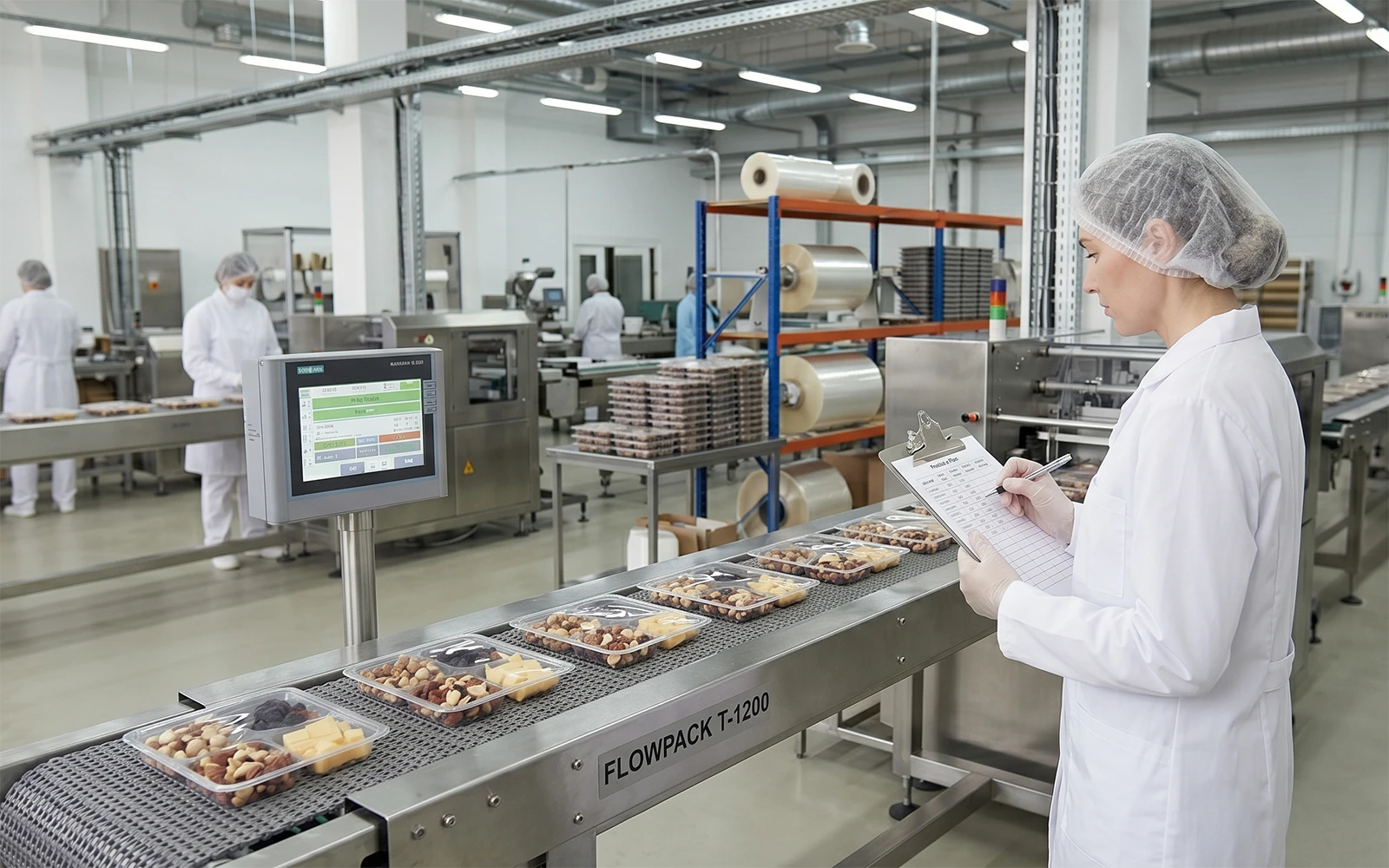
No. Most modern machines use a PLC touchscreen that allows you to store multiple “recipes” for different food items, making the transition between products fast and simple.
Can I use a map packaging machine for non-food items?
Yes. This technology is frequently used in the pharmaceutical and medical device industries to prevent oxidation and maintain a sterile, moisture-free environment for sensitive components.
How do I maintain the gas accuracy of the machine?
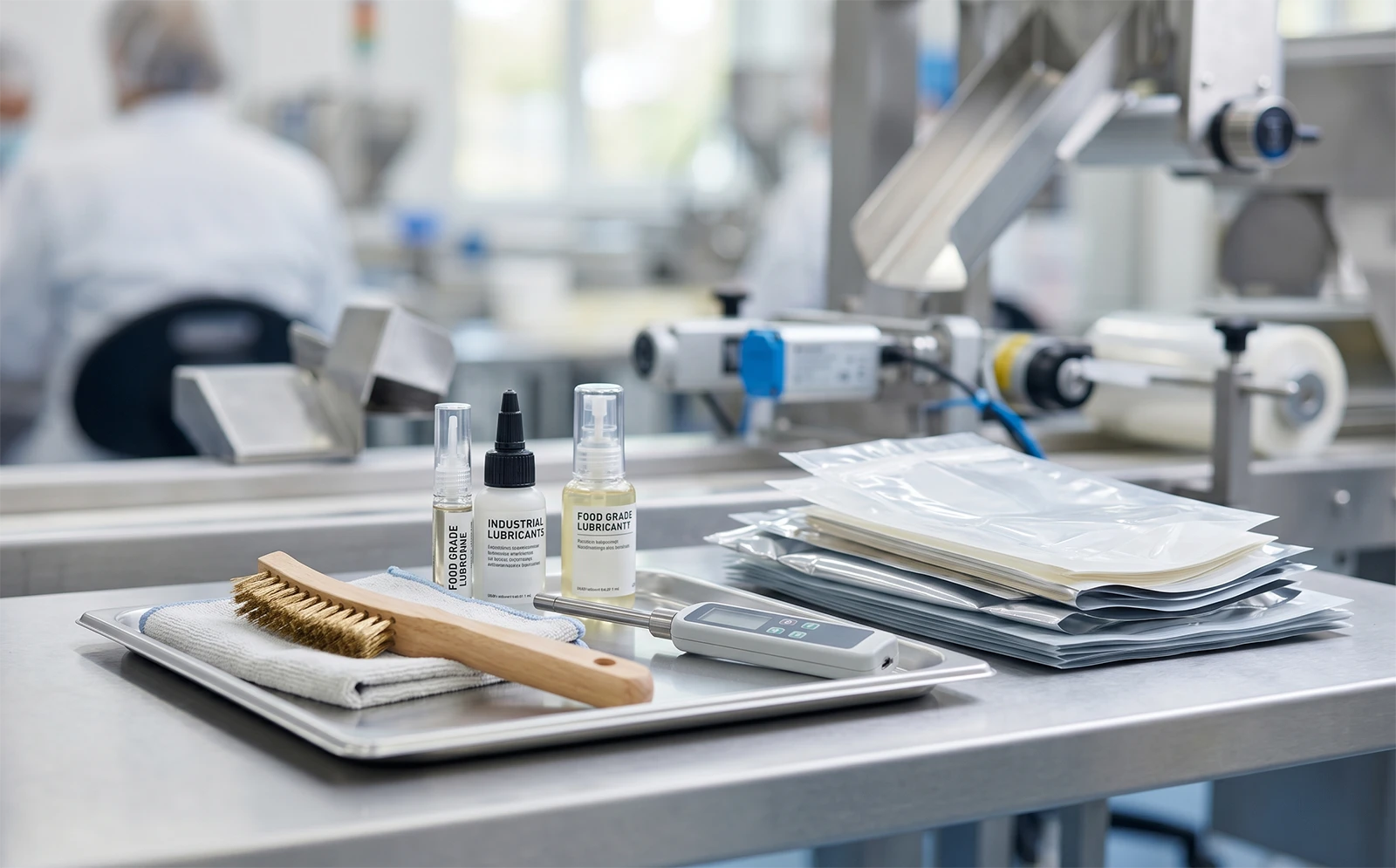
Yes, regular calibration is required. You should test the internal atmosphere of random samples daily using a handheld gas analyzer and recalibrate the mixing valves monthly to ensure drift has not occurred.
Is it expensive to buy the gases for the machine?
No. Nitrogen and carbon dioxide are relatively inexpensive industrial gases. The cost per package is typically negligible compared to the financial gain from extended shelf life and reduced waste.