Two packaging methods dominate shelf-life conversations among snack producers: vacuum sealing and gas flushing. Both remove air from the pack, yet they treat the product in opposite ways — one compresses it, the other cushions it.
For fragile snacks such as potato chips, puffed corn, prawn crackers, and thin extruded pieces, that difference decides whether a bag reaches the consumer intact. The real question is less about which method is stronger, and more about which failure you are trying to prevent.
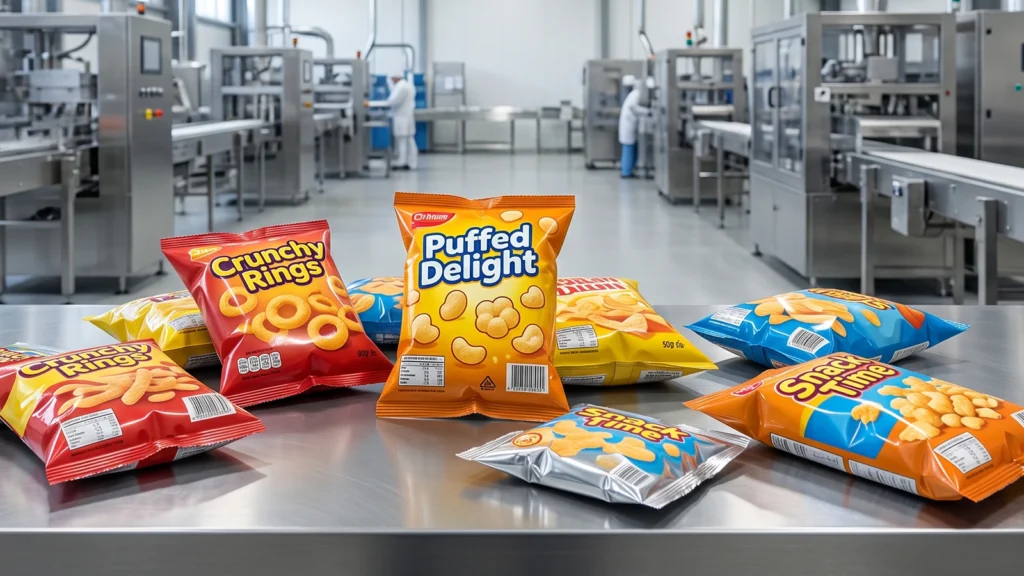
Two Ways a Crisp Snack Fails on the Shelf
Crispness is a moisture story. Dry snacks sit at a very low water activity, and any moisture they pull from the surrounding air pushes them toward softness. Consumers notice that change within the first bite.
Shelf life is also an oxygen story. The frying or extrusion oil on the surface oxidizes on contact with air, producing stale and rancid notes long before the product would ever spoil in a microbial sense. Rancidity is often the true limit on how long a snack stays acceptable.
A packaging method therefore has to handle three jobs at once:
- Keep moisture out by using a film with adequate barrier performance.
- Keep oxygen away so the surface oil stays stable.
- Protect the shape so the product does not turn to crumbs in transit.
Most debates about vacuum versus gas flushing ignore the third job. For fragile snacks, it is frequently the one that decides the outcome.
What Vacuum Sealing Does Well
Vacuum sealing draws the air out of the pack, then the film collapses against the product and seals tight. Oxygen drops to very low levels, and the compressed film leaves little room for air to migrate back in.
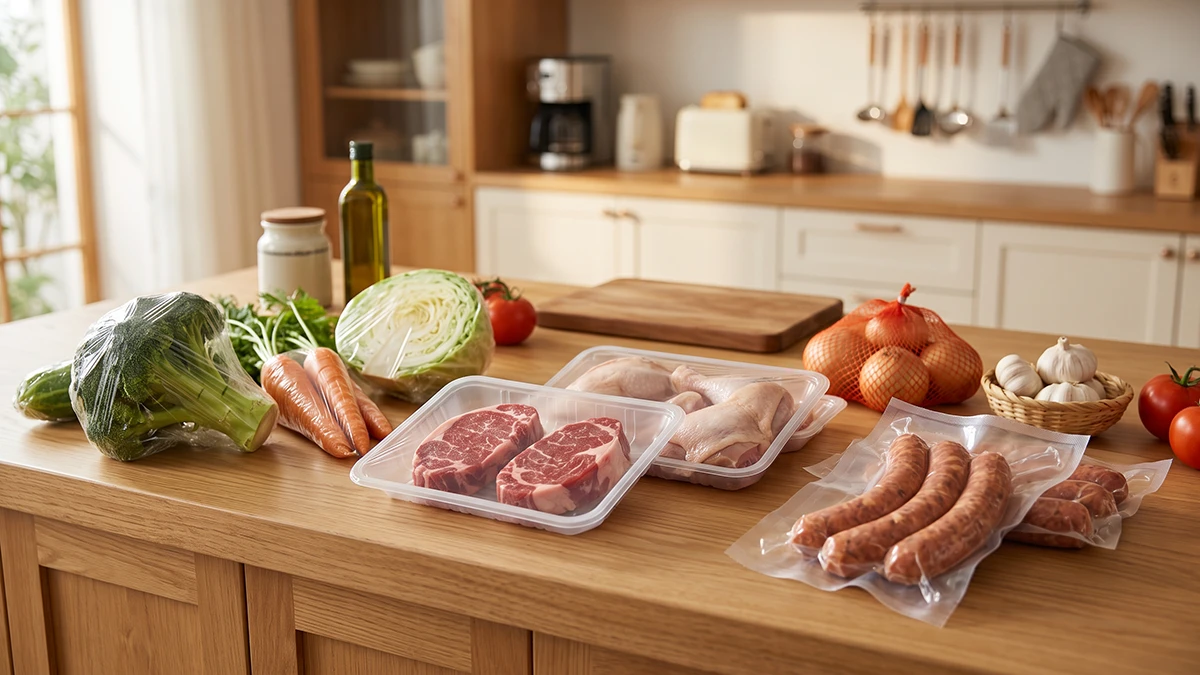
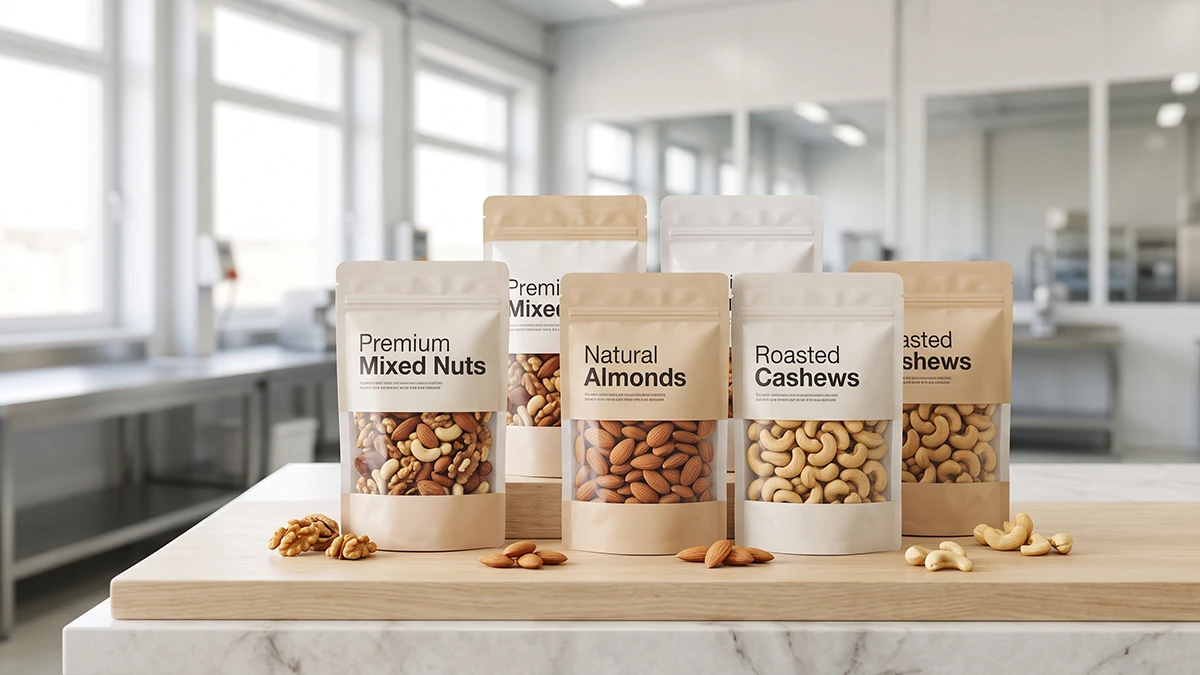
For dense, sturdy items this is close to ideal. Coffee bricks, hard cheese, dried meat, and whole nuts all tolerate the pressure, and the tight format saves space on the shelf and in the carton.
The Compression Problem With Fragile Items
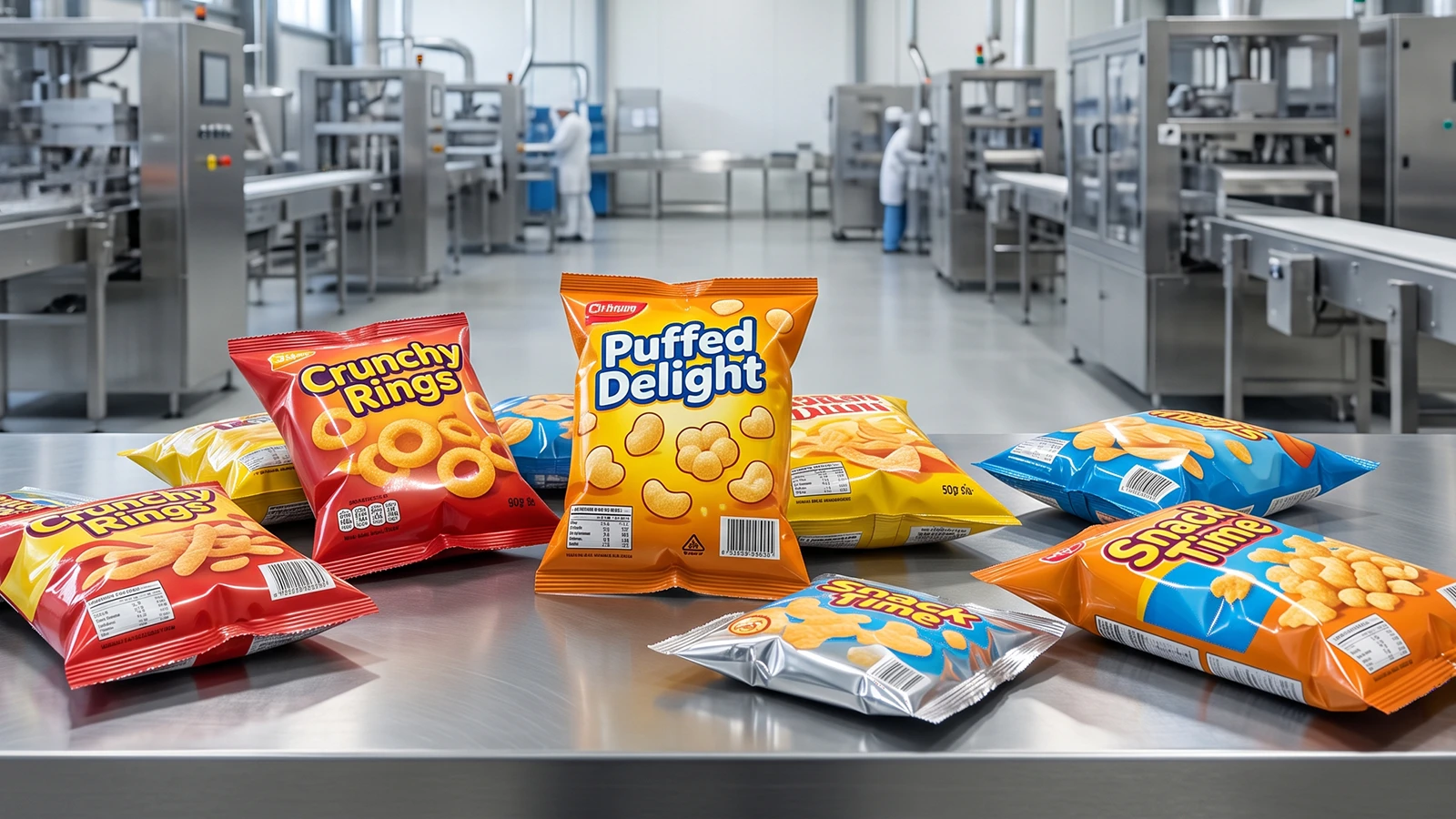
A potato chip shares almost none of those traits. It is thin, brittle, and mostly air in structure. When a vacuum pulls the film down onto the stack, the load transfers straight into the product, and the result is breakage before the bag ever leaves the line.
You can end up with a pack that is technically fresher and commercially worse. The oil may stay stable, but the consumer opens a bag of fragments, and a bag of fragments does not sell twice.
Vacuum sealing also strips out the headspace that fragile snacks rely on. That soft cushion absorbs shock from stacking, palletizing, and rough handling in the distribution chain. Remove it, and every drop becomes a direct hit on the product.
How Gas Flushing Protects Fragile Snacks
Gas flushing, often called nitrogen flushing or modified atmosphere packaging, takes a different route. It pushes air out and replaces it with an inert or blended gas, then seals the pack with a controlled internal atmosphere.
Nitrogen is the usual choice for dry snacks. It is inert, dry, and does not react with the product, so it displaces the oxygen that drives oxidation without altering flavor or texture.
The sealed bag then holds a gentle pillow of gas around the product. That pillow is not decoration. It cushions each piece against impact and stops the stack from pressing on itself during stacking and shipping.
Choosing the Right Gas Blend
Nitrogen alone handles most dry, fragile snacks. When a product carries a high fat load or a delicate aroma profile, producers sometimes add a small share of carbon dioxide to suppress oxidation further.
Carbon dioxide comes with a caveat. It dissolves into the product over time, which can slightly pull a vacuum inside the pack and, in some cases, affect texture or create an unwanted drawdown. For very dry, porous snacks, a nitrogen-dominant blend is often the simpler and safer option.
The Two Methods Side by Side
| Consideration | Vacuum Sealing | Gas Flushing (Nitrogen / MAP) |
| Air removal | Draws out nearly all air | Displaces air with inert gas |
| Effect on fragile product | Compresses and crushes | Cushions with headspace |
| Typical fit | Coffee, cheese, dense nuts, dried meat | Chips, puffed snacks, crackers, extruded pieces |
| Package format | Tight, flat, space-efficient | Pillow bag, protective volume |
| Damage risk in transit | High for brittle items | Low |
| Flavor and aroma | Well preserved in dense goods | Well preserved, controllable via gas blend |
| Line requirement | Chamber or nozzle vacuum sealer | Sealer with gas injection, often on a VFFS line |
The table points to a practical rule. Vacuum wins on products that can take the pressure. Gas flushing wins on products that cannot.
Matching the Method to Your Product and Line
The right call depends on more than the snack itself. Film, machine, and sealing performance all shape the result, and they interact with each other.
Film Barrier and Residual Oxygen
Even a well-executed gas flush is only as good as the film around it. Oxygen transmission rate and moisture vapor transmission rate determine how quickly outside air works its way back in. A strong flush paired with a weak film will still lose crispness early.
Seal Integrity and Machine Choice
Seal quality decides whether the internal atmosphere holds. A micro-leak in the seal cancels the benefit of either method, so seal pressure, temperature, and dwell time have to be tuned to the specific film rather than inherited from a previous job.
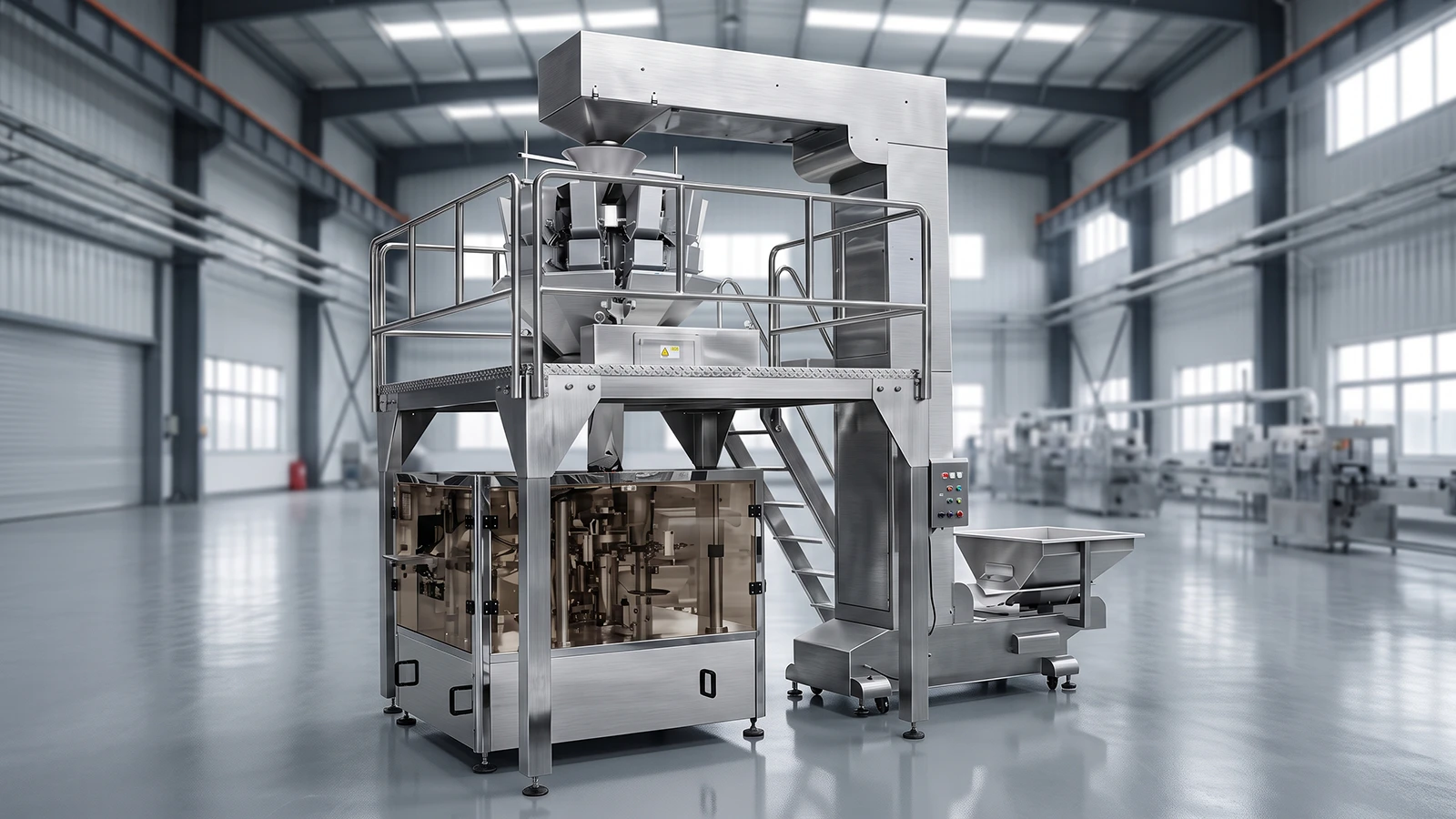
Machine selection then follows the product. Fragile snacks generally run on vertical form-fill-seal lines with gas injection, or on tray and thermoform sealers where headspace is designed in. Dense products are better served by chamber vacuum sealers built for compression-friendly formats.
Where a Packaging Partner Fits In
Method choice and equipment choice tend to be solved together. A supplier who understands both sides can match a flush-ready sealing line to the product and film, instead of selling a single machine in isolation.
Producers working through this decision often review their options against real line configurations. For sealing equipment, gas injection systems, and vacuum sealers built for snack production, autopackline.com covers both approaches, which lets you compare them on the same production floor.
FAQ
Is gas flushing always better than vacuum sealing for snacks?
No. Gas flushing is the better fit for fragile, brittle, low-density snacks that need physical protection and headspace. Vacuum sealing remains the stronger choice for dense, sturdy products such as coffee, hard cheese, and whole nuts, where compression causes no harm and the tight format adds value.
Can I use vacuum sealing for chips if I accept some breakage?
Yes, but the trade-off rarely pays off. Vacuum sealing controls oxygen well, yet the compression that damages the chips also removes the protective headspace that cushions them in transit. For most chip and puff products, a nitrogen flush produces better commercial results.
Does nitrogen flushing remove all the oxygen?
No. Nitrogen flushing displaces most of the oxygen but leaves a small residual amount, which depends on flush efficiency, film barrier, and seal quality. The goal is to push residual oxygen low enough that oil oxidation slows to a practical rate, not to reach zero.
Which film matters most for keeping snacks crisp?
The barrier layer matters more than the thickness. A film with strong resistance to moisture and oxygen transmission protects crispness far better than a thicker film with weak barrier properties. Match the film to the flush method and the shelf-life target you are working toward.
Which method gives the longer shelf life?
It depends on the product and the failure mode you are managing. For fragile snacks, gas flushing typically delivers a longer usable shelf life because it preserves freshness and physical integrity at the same time. For dense products, vacuum sealing can match or exceed it by removing oxygen more aggressively.