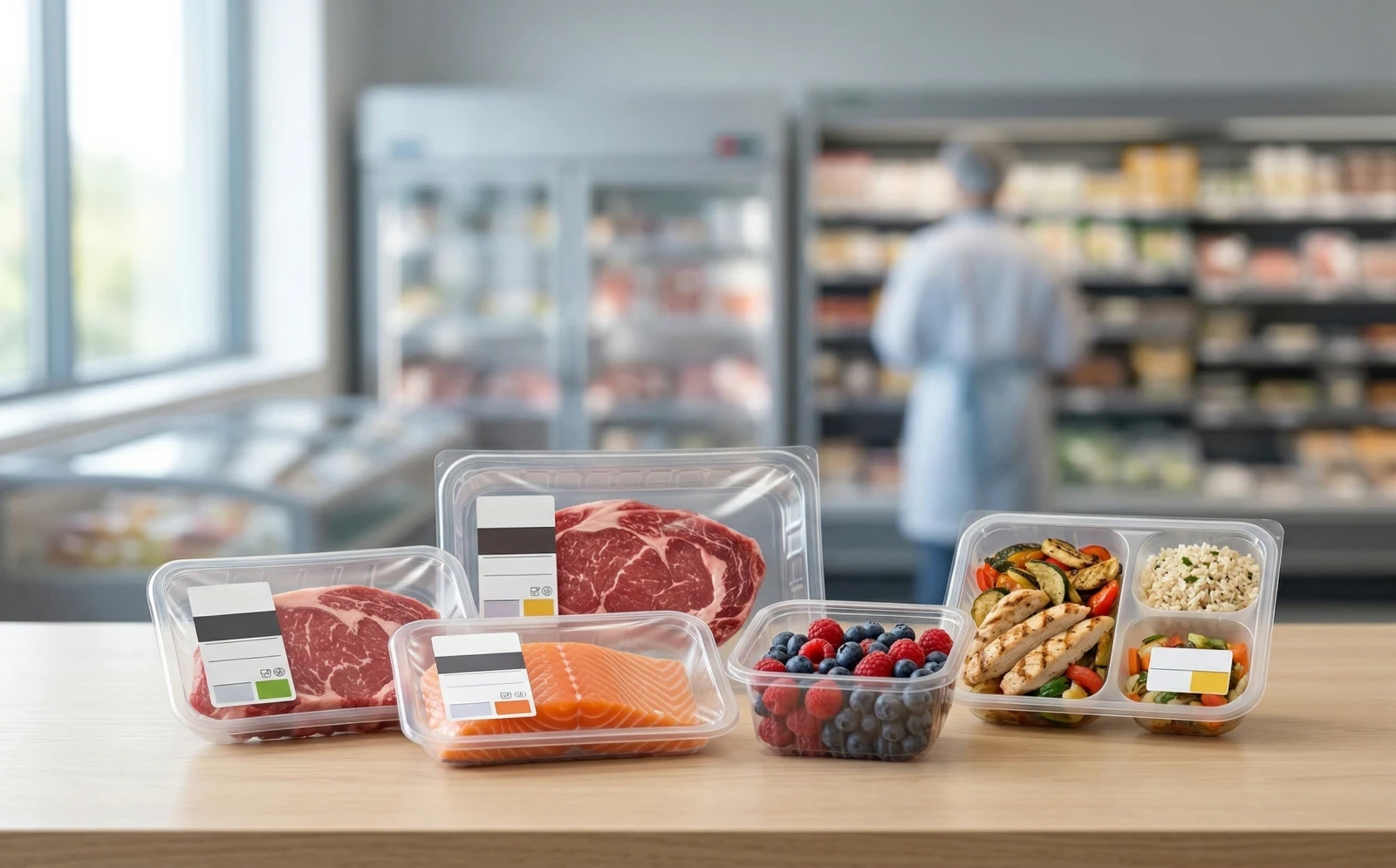
A map packaging machine preserves fresh food by replacing the natural atmosphere inside a container with a specialized gas blend that slows down biological decay and oxidation. By using a map packaging machine, you can maintain the natural color, texture, and nutritional value of perishable items like red meat, fish, and ready-to-eat meals for longer periods than traditional packaging methods allow.
Managing a high-volume fresh food facility means you are fighting against the clock to get products to retail shelves before they lose their consumer appeal. You might find that high spoilage rates are eating into your margins or that your current distribution radius is too small to reach profitable new territories. Transitioning to a professional map packaging machine provides a technical answer to these logistics hurdles, allowing you to stabilize your supply chain and provide a superior product to your B2B partners.
How does a map packaging machine preserve fresh red meat?
A map packaging machine preserves red meat by utilizing a high-oxygen gas mixture that maintains the bright red oxymyoglobin pigment that consumers associate with freshness. When you use a map packaging machine for beef or lamb, the oxygen concentration is often kept between 70% and 80% to ensure the meat does not turn an unappealing purple or brown during its time on the shelf.
Maintaining Vibrant Color
Think about it: the consumer’s first impression is based almost entirely on the visual appeal of the protein.
- High oxygen levels (70-80%) keep red meat looking fresh.
- This prevents the meat from turning purple, which typically happens in vacuum environments.
- Controlled oxygen interacts with myoglobin to produce a stable, bright red surface.
Inhibiting Microbial Spoilage
Here’s the deal: while oxygen maintains color, it can also encourage some types of bacteria if not balanced correctly.
- Carbon dioxide (CO2) is added to the mix to act as a natural antimicrobial agent.
- CO2 concentrations usually range from 20% to 30% for fresh red meats.
- Nitrogen serves as an inert filler to prevent the film from clinging to the meat.
| Meat Type | Oxygen (O2) | Carbon Dioxide (CO2) | Nitrogen (N2) |
| Fresh Beef | 70% – 80% | 20% – 30% | Balance |
| Ground Meat | 70% | 30% | 0% |
| Lamb | 80% | 20% | 0% |
The gas ratio must be precisely calibrated to avoid off-flavors in specific cuts of meat.
Key Takeaway: For red meat producers, the main value of a map packaging machine is the ability to present a bright, fresh-looking product while extending its microbial shelf life.
Why is gas balance pivotal for poultry and white meats?
Gas balance is pivotal for poultry because these proteins do not require high oxygen for color and instead benefit from high carbon dioxide levels that stop microbial proliferation. Utilizing a map packaging machine for chicken or turkey allows you to reach a shelf life of 12 to 14 days, compared to just 4 to 6 days with standard overwrapping.
Pathogen Suppression Techniques
Look at it this way: poultry is highly susceptible to salmonella and other pathogens, making the atmosphere a primary defense layer.
- CO2 levels are typically set at 25% to 40% to suppress bacteria growth.
- Lower oxygen levels prevent the oxidation of fats which leads to rancidity.
- The hermetic seal provided by the machine prevents external contamination.
Nitrogen Buffering for Physical Integrity
It gets better: using nitrogen ensures that the package remains stable even if the carbon dioxide is absorbed by the meat.
- Nitrogen prevents the “vacuum effect” that can cause trays to warp.
- It maintains the physical cushion needed to protect the meat from crushing during transport.
- The inert gas does not react with the poultry oils or proteins.
| Feature | Standard Packaging | MAP Packaging |
| CO2 Level | Atmospheric | 30% – 40% |
| Oxygen Level | 21% | < 1% |
| Shelf Life | 4-6 Days | 12-14 Days |
The absence of oxygen in poultry MAP is the primary reason why the product stays safe and flavor-neutral for longer.
Key Takeaway: Using a map packaging machine for poultry focuses on safety and spoilage prevention through a nitrogen-heavy, low-oxygen environment.
Can a map packaging machine handle the high sensitivity of seafood?
A map packaging machine can handle the high sensitivity of seafood by creating a complex atmosphere that includes a small amount of oxygen to prevent the growth of dangerous anaerobic bacteria. When you deploy a map packaging machine for fresh fish, you are managing one of the most perishable food categories, where even slight gas deviations can ruin a batch.
Anaerobic Risk Management
That is not all: seafood requires oxygen management to prevent the growth of Clostridium botulinum.
- Small oxygen amounts (approx. 20-30%) are often used for white fish to mitigate anaerobic risks.
- This balance is mandatory for maintaining the high safety standards required for fish exports.
- Fatty fish like salmon require lower oxygen to prevent the oils from going rancid.
Surface pH Level Control
Here’s the deal: high CO2 levels lower the pH on the surface of the fish, which slows down the decay process.
- CO2 concentrations of 40% are common for white fish like cod or haddock.
- This creates a natural barrier against the bacteria that cause “fishy” odors.
- The machine ensures that this mixture is consistently applied to every unit.
| Seafood Type | CO2 % | O2 % | N2 % |
| White Fish | 40% | 30% | 30% |
| Salmon | 40% | 0% | 60% |
| Shellfish | 30% | 30% | 40% |
Managing these specific ratios requires a high-precision gas mixer integrated into your machine line.
Key Takeaway: Seafood MAP requires a balanced approach to prevent both aerobic spoilage and anaerobic pathogen risks through specific gas ratios.
What is the role of EMAP for fresh fruits and vegetables?
The role of Equilibrium Modified Atmosphere Packaging (EMAP) is to balance the natural respiration of the plant with the gas transmission rate of the film to maintain a stable environment. A map packaging machine designed for produce does not just flush a static gas mixture but sets the stage for the produce to create its own internal atmosphere over time.
Respiration Rate Balancing
Think about it: fresh vegetables are living organisms that continue to breathe after they are packaged.
- EMAP prevent the oxygen level from dropping too low, which would cause fermentation.
- The machine provides an initial flush of 5% O2 and 5% CO2 to jumpstart the process.
- This prevents the “sweating” and wilting common in airtight plastic bags.
Preventing Enzymatic Browning
Look at it this way: for pre-cut salads or sliced fruit, the goal is to slow down the browning that occurs upon exposure to air.
- Low oxygen levels (2-5%) inhibit the enzymes responsible for browning.
- High CO2 levels (10%) stop mold growth in high-sugar items like berries.
- The system prevents moisture loss, keeping the produce crisp.
| Produce Type | Initial O2 | Initial CO2 | Primary Result |
| Leafy Greens | 5% | 5% | Wilting prevention |
| Berries | 2% | 10% | Mold suppression |
| Root Veg | 5% | 10% | Sprouting delay |
Correct EMAP settings ensure that produce remains vibrant and retail-ready for the duration of its shelf life.
Key Takeaway: For fruits and vegetables, a map packaging machine works with breathable films to manage the ongoing respiration of the fresh product.
How do ready meals benefit from multi-component gas flushing?
Ready meals benefit from multi-component gas flushing because it provides a “middle ground” atmosphere that protects meat, carbohydrates, and vegetables within the same tray. Your map packaging machine must handle these complex trays with a mixture that prevents the sauce from separating, the meat from spoiling, and the pasta from drying out.
Multi-Zone Preservation
It gets better: the gas mixture reaches every corner of the tray, regardless of the meal complexity.
- A blend of 30% CO2 and 70% N2 is the most frequent choice for mixed ingredient meals.
- This prevents the “warmed-over flavor” caused by lipid oxidation in cooked components.
- The machine’s vacuum system ensures that no air pockets remain trapped under the food.
Retaining Texture Integrity
That is not all: maintaining the structural integrity of different food textures is a primary goal of ready meal MAP.
- The gas cushion prevents the tray film from collapsing and squashing delicate sides like mashed potatoes.
- It maintains the correct humidity level so that pasta or rice does not become brittle.
- Rigid trays provide physical protection during the stacking and shipping of the meals.
| Component | Preservation Goal | MAP Response |
| Cooked Meat | Flavor stability | N2 prevents oxidation |
| Vegetables | Texture retention | CO2 inhibits mold |
| Sauces | Moisture control | Hermetic seal |
The convenience of ready meals is possible because MAP technology allows for a 10-to-21-day shelf life in the refrigerated section.
Key Takeaway: A map packaging machine provides the stability required for ready meals to remain palatable and safe throughout a long retail cycle.
What film barriers are mandatory for these fresh food categories?
Film barriers are mandatory because they prevent the protective gases from leaking out and stop ambient oxygen from seeping back into the package. When you select a map packaging machine, you must also choose high-barrier films that are compatible with your specific trays and products.
EVOH Barrier Technology
Look at it this way: the film is the gatekeeper of the modified atmosphere you have created.
- Films containing EVOH (Ethylene Vinyl Alcohol) are the gold standard for fresh protein applications.
- These materials have extremely low oxygen transmission rates.
- The sealing bars on the machine are calibrated to bond specifically with these multi-layer materials.
Anti-Fog Performance for Retail Display
Here’s the deal: if a customer cannot see the product due to condensation, the shelf life extension does not matter.
- Anti-fog coatings prevent moisture droplets from clouding the top film.
- This keeps the product looking fresh and professional under supermarket lights.
- Peelable layers ensure the end consumer can open the package easily.
| Film Property | Requirement | Business Impact |
| OTR | < 10cc/m2/day | Shelf life stability |
| Anti-fog | High | Retail visibility |
| Seal Strength | High | Zero transport leakage |
Matching your film’s barrier properties to your gas mixture is the only way to guarantee the calculated shelf life.
Key Takeaway: The success of your map packaging machine depends on using high-barrier films that lock in the gas and block out external air.
How do you maintain hygiene standards in a fresh food MAP line?
You maintain hygiene standards by selecting a machine with a stainless steel open-frame design that allows for thorough daily wash-downs with industrial chemicals. Your map packaging machine should be rated for IP65 or higher to protect the electronics from moisture during the cleaning process.
Sanitary Design Principles
Think about it: if the machine harbors bacteria, your gas mixture will not matter because the product will be contaminated at the source.
- SUS304 stainless steel construction prevents rust and corrosion from sanitizers.
- Sloped surfaces ensure that water and food debris do not pool on the machine.
- Open-frame designs eliminate hidden areas where mold could grow.
IP-Rated Reliability for Wash-Downs
It gets better: modern machines are built to withstand the rigors of a high-pressure cleaning routine.
- IP-rated PLC enclosures protect the control logic from water ingress.
- Tool-free removal of conveyor belts speeds up the daily sanitation cycle.
- Regular maintenance of the sealing bars prevents carbon buildup which can cause seal failures.
| Feature | Spec / Standard | Benefit |
| Material | SUS304 Stainless | Corrosion resistance |
| Waterproofing | IP65 / IP67 | Safe wash-down |
| Design | Open Frame | No bacteria traps |
A clean machine produces a safe product, which is the most effective way to build long-term trust with your buyers.
Key Takeaway: High hygiene standards in your map packaging machine line are as pivotal as the gas mixture for achieving safe shelf life.
What are the economic impacts of using a map packaging machine for fresh exports?
The economic impacts of using a map packaging machine for exports include the ability to switch from expensive air freight to more affordable sea or road logistics. By utilizing a map packaging machine, you can expand your distribution radius by hundreds of miles, allowing you to reach new countries and larger retail networks.
Logistics Cost Reduction
Look at it this way: the money saved on shipping often pays for the machine investment within the first year.
- Standard ground shipping becomes a viable option for fresh meat and produce.
- You can consolidate shipments into larger batches, reducing per-unit transport costs.
- Slower transportation methods become possible due to the extended shelf life.
Global Export Scaling
Here’s the deal: doubling your shelf life effectively doubles your possible distribution radius.
- You can enter international markets that were previously inaccessible due to spoilage risks.
- Reduced product returns due to spoilage increase your net profit per batch.
- To understand the full scope of these systems, you should refer to our What Are MAP Packaging Machines? Industrial Guide for more technical details.
| Logistic Metric | Before MAP | After MAP |
| Shipping Method | Air / Express | Sea / Road |
| Spoilage Rate | 8% – 15% | < 2% |
| Market Reach | Local | International |
The primary financial driver for adopting this technology is the measurable reduction in logistics costs and the opening of new geographic markets.
Key Takeaway: A map packaging machine is a strategic tool for geographic expansion and entering high-value international markets.
Moving forward, the ability to control the environment of your products will determine your success in a competitive B2B market. Reliancepak provides the engineering expertise and robust machinery required to master modified atmosphere packaging for everything from red meat to pre-cut salads. If you are ready to stabilize your quality and grow your business, we suggest consulting with our technical team to find the perfect MAP solution for your specific production needs.
Our vision is to provide reliable, efficient packaging technology that helps food producers deliver freshness and safety to consumers worldwide. We believe that by focusing on precision engineering and robust support, we can help you build a more sustainable and profitable future.
FAQ
Can I package different types of food on the same map packaging machine?
Yes. Professional industrial machines allow you to save multiple recipes in the PLC, where you can pre-set the vacuum depth, gas mixture, and sealing time for meat, veg, or seafood separately.
Is the gas used in MAP packaging safe?
Yes. The gases used—Nitrogen, Carbon Dioxide, and Oxygen—are food-grade and occur naturally in the atmosphere we breathe; they leave no chemical residue on the food.
How much does the shelf life increase with a map packaging machine?
Yes, it varies by product. Generally, fresh meat shelf life increases from 4 days to 12+ days, and fresh pasta or cheese can extend from weeks to months depending on the mixture.
Do I need a special film for fresh produce MAP?
Yes. Fresh vegetables need “breathable” or microporous films to allow for the exchange of gases as they respire, whereas meat and fish require high-barrier films to keep gases trapped.
How do I check if the gas mixture inside the package is correct?
Yes, you should use a handheld gas analyzer. We recommend testing a random sample from each batch to ensure the machine’s mixing valves are performing to the target specifications.