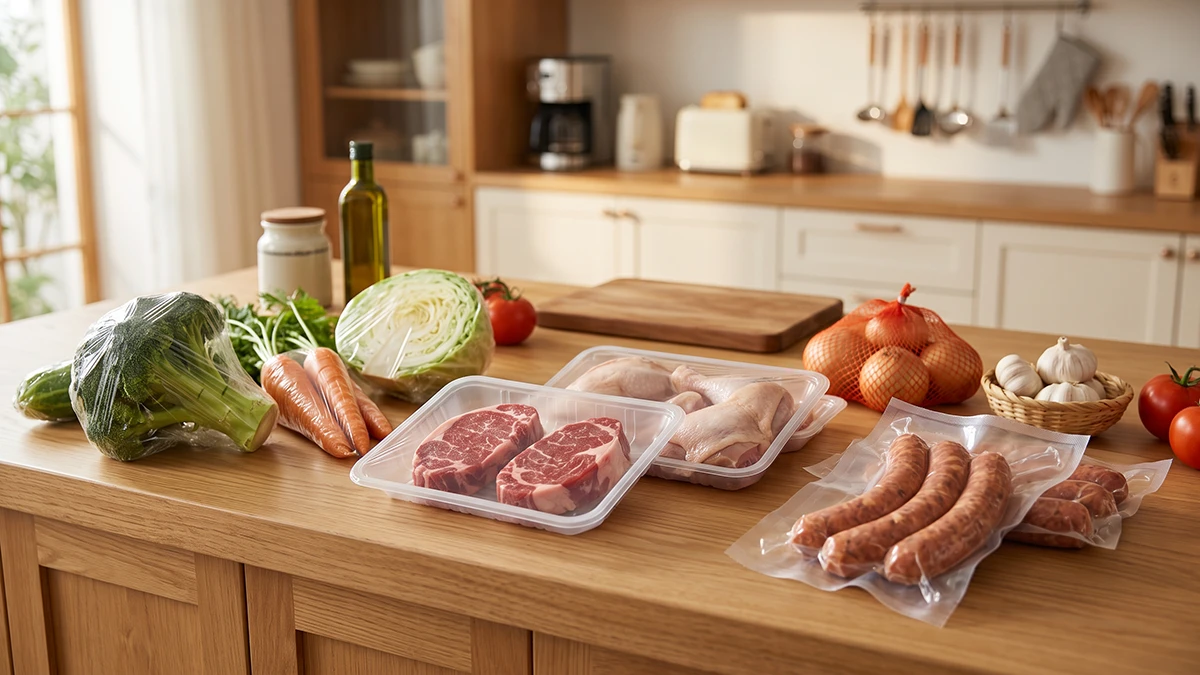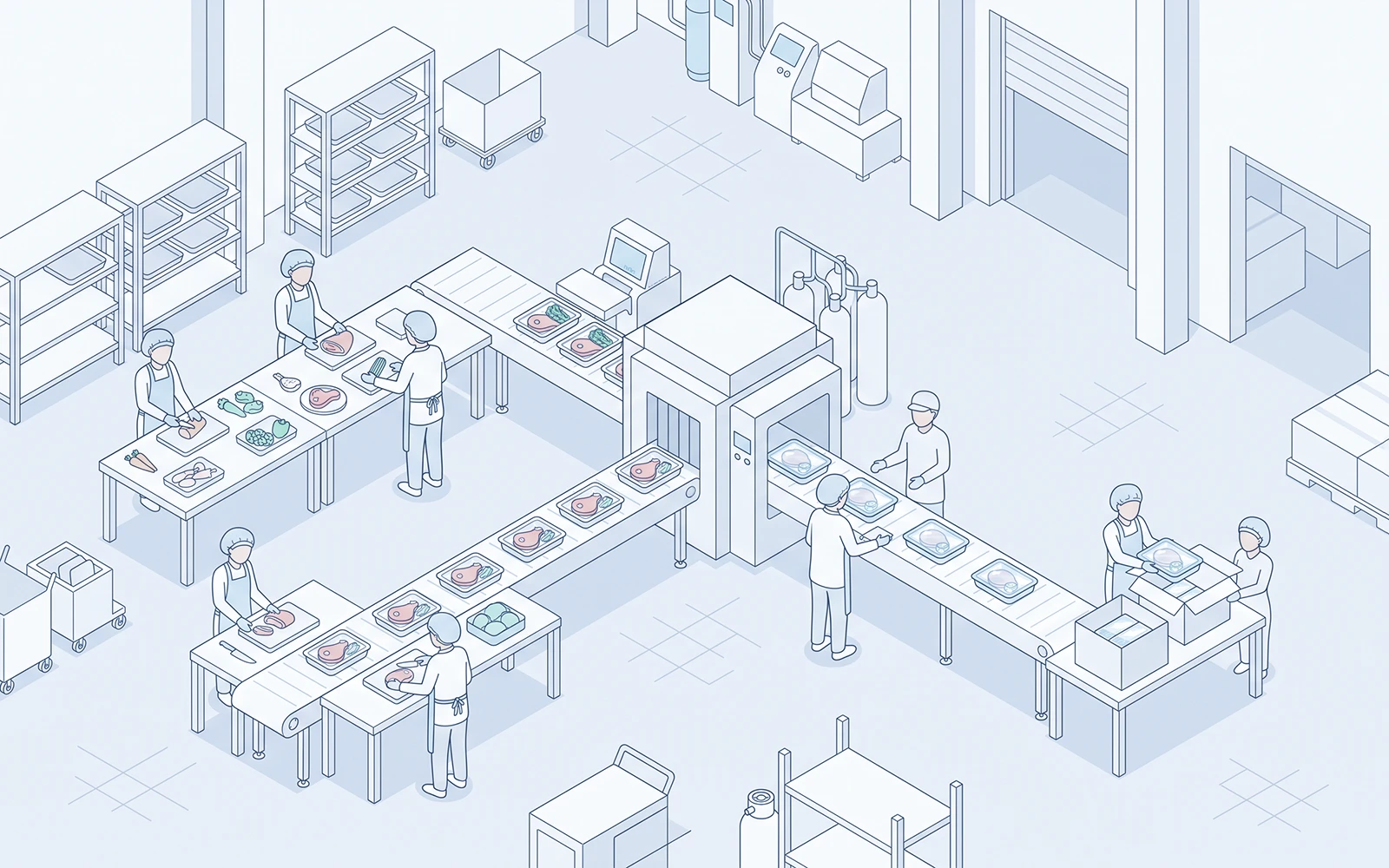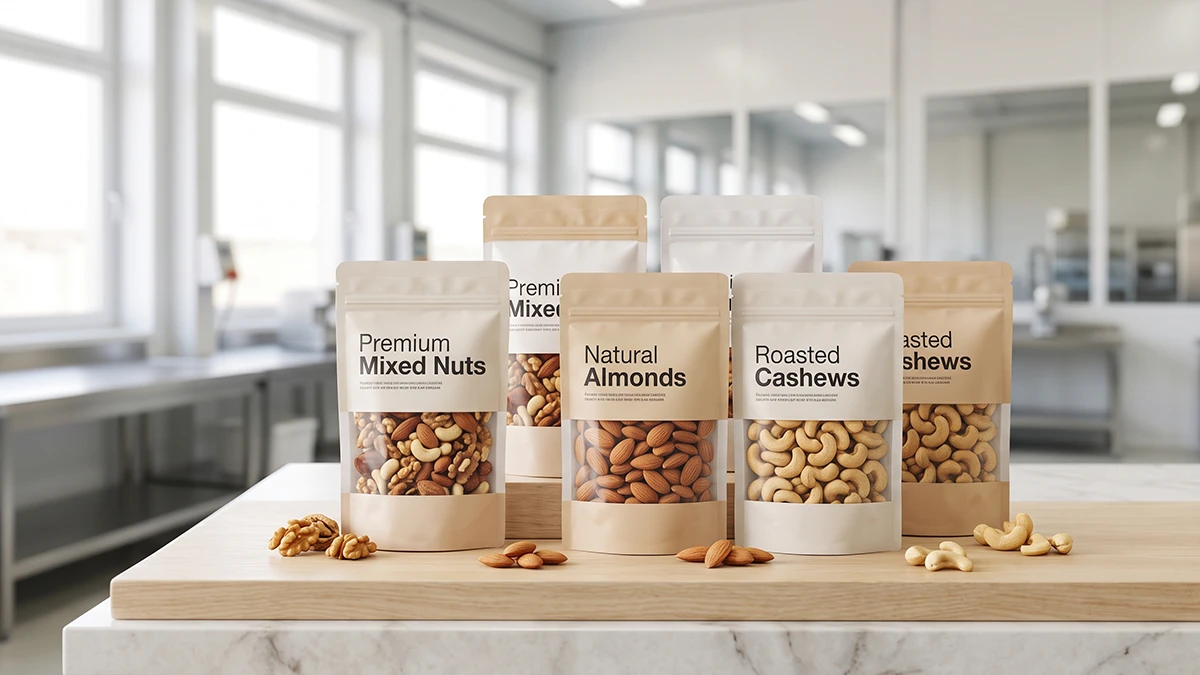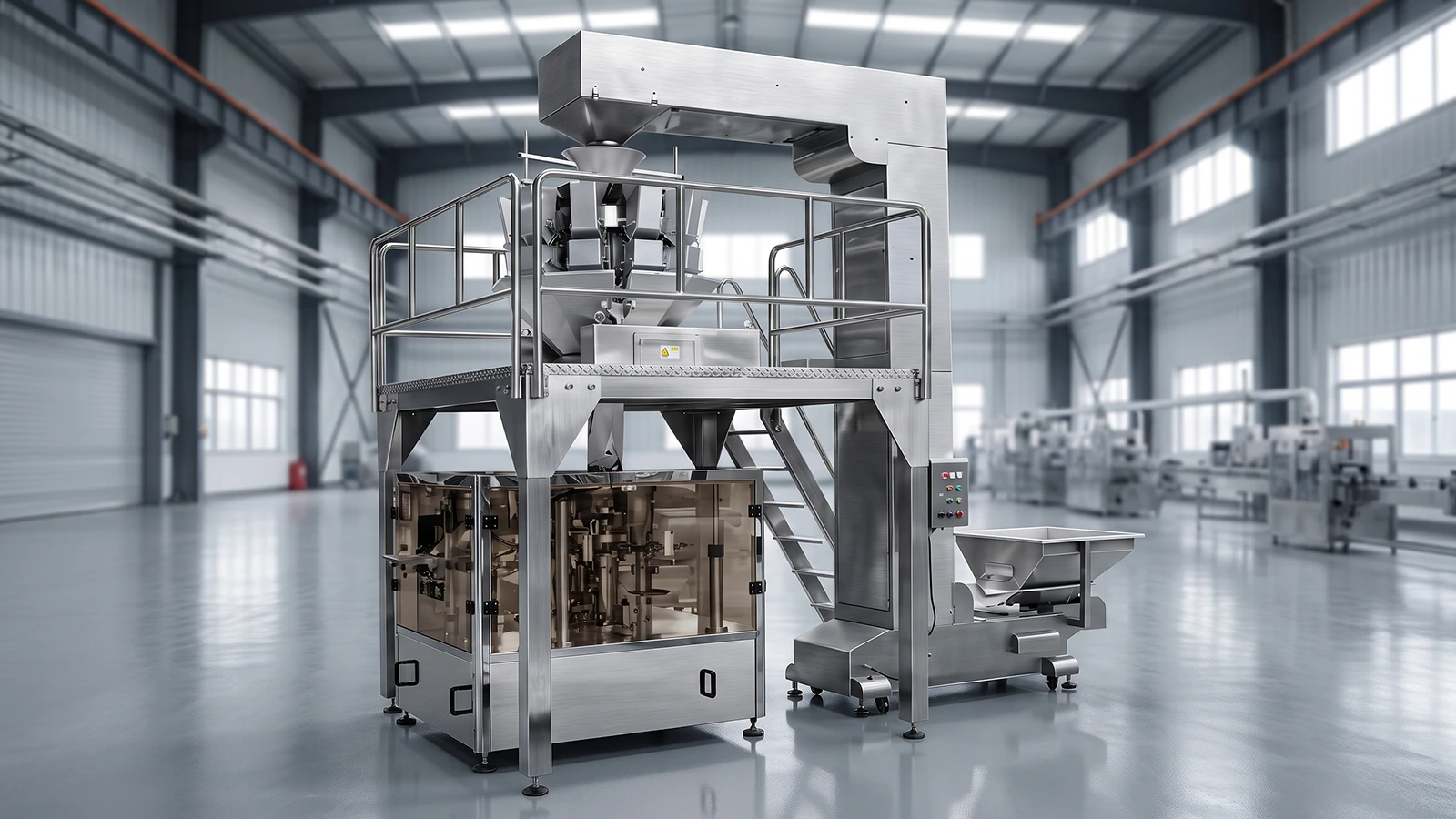
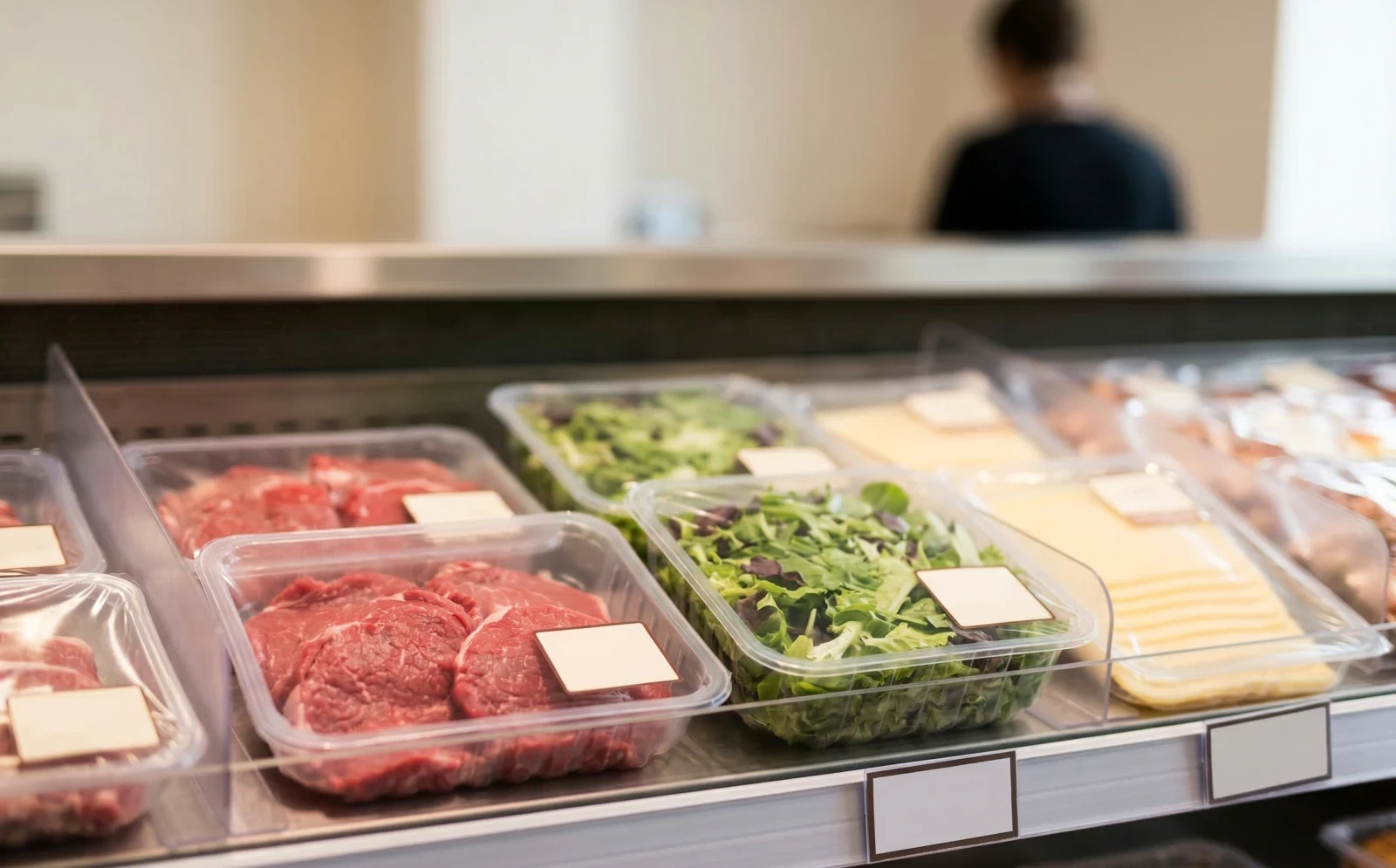
A map packaging machine is a specialized industrial system used to replace the atmospheric air within a food container with a precisely blended gas mixture to extend the shelf life of perishable products. This technology primarily uses food-grade gases like nitrogen and carbon dioxide to slow down the natural process of oxidation and inhibit the growth of aerobic bacteria without altering the physical properties of the item.
Managing a high-volume food facility often means struggling with the rapid spoilage of fresh inventory, which restricts your ability to supply distant retailers or international markets. You might find that traditional vacuum sealing crushes your delicate products or that chemical preservatives alienate your health-conscious customers. A map packaging machine provides a technical solution that maintains the visual appeal and nutritional integrity of your goods while significantly reducing waste across your supply chain.
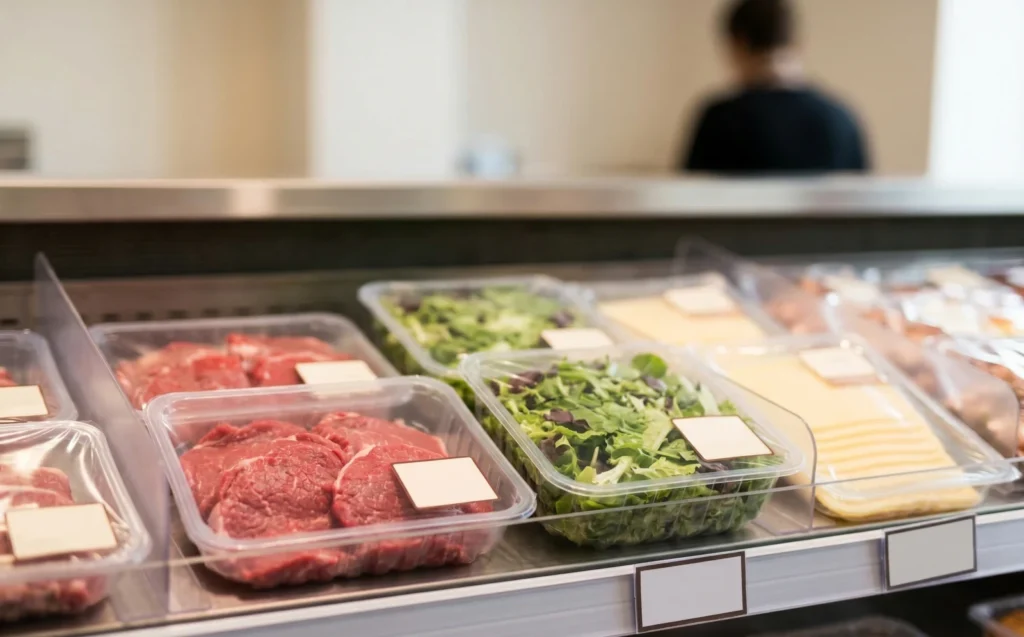
What defines a professional map packaging machine in modern production?
A professional map packaging machine is defined by its ability to achieve a hermetic seal while maintaining a stable, customized internal atmosphere through high-precision gas displacement. When you integrate a map packaging machine into your facility, you are moving beyond simple closure technology to a system that actively manages the biological environment of each individual package.
The Mechanics of Gas Displacement
Here is the deal: the core function of the system is to reach a target oxygen level that is often below 1%. Professional systems use two primary methods to achieve this.
- Vacuum-Gas Flush: The machine pulls a deep vacuum to remove all ambient air before injecting the specific gas mixture.
- Gas Flushing: A continuous stream of protective gas pushes the oxygen out as the package is sealed, which is often used in high-speed flow wrapping.
- Precision Monitoring: Built-in sensors verify that the gas ratio remains consistent throughout the production run.
- Hermetic Sealing: Heavy-duty sealing bars apply heat and pressure to ensure the gas remains trapped inside the package during transport.
Core Physical Components
Look at it this way: the durability of your machine depends on the quality of its internal hardware. Industrial-grade systems must be built to withstand high-humidity environments.
- Stainless Steel Frame: Usually SUS304 grade to prevent corrosion from cleaning chemicals.
- Programmable Logic Controller (PLC): A central computer that stores your specific gas and timing “recipes.”
- High-Capacity Vacuum Pump: Determines how quickly the air is removed and dictates the overall cycle speed.
- Gas Mixer: Blends N2, CO2, and O2 from external tanks with medical-grade accuracy.
| Component | Function | B2B Buyer Benefit |
| PLC Touchscreen | Recipe Management | Faster product changeovers |
| Vacuum System | Oxygen Removal | Maximum shelf life extension |
| Sealing Bars | Airtight Closure | Zero leakage during shipping |
| Stainless Frame | Hygiene Compliance | Easy sanitization and durability |
The combination of these components allows a producer to handle diverse food items with a single piece of equipment.
Key Takeaway: A map packaging machine is a sophisticated piece of industrial equipment designed to protect food quality by replacing destructive oxygen with protective, inert gases.
How does a map packaging machine control internal gas ratios?
A map packaging machine controls internal gas ratios by using digital mixing valves that combine nitrogen, carbon dioxide, and oxygen into a tailored blend based on the specific respiration rate of the food. When you operate a map packaging machine, the precision of these gas levels is the primary factor that determines whether your product stays fresh for three days or three weeks.
The Function of Specific Gases
It gets better: the gas mixture is not a “one size fits all” solution but a calculated formula based on the biology of the product.
- Carbon Dioxide (CO2): This gas acts as a natural antimicrobial agent that penetrates the surface of the food to stop bacteria.
- Nitrogen (N2): As an inert gas, it prevents the package from collapsing when CO2 is absorbed by the product.
- Oxygen (O2): While usually removed, it is kept at high levels for red meat to maintain the bright red color of myoglobin.
- Argon: Sometimes used for high-end snacks or nuts to provide an even higher level of oxidation protection.
Maintaining Stability Over Time
Think about it: the machine must ensure that the gas ratio does not drift during an eight-hour shift. This requires constant communication between the sensors and the injection nozzles.
- Real-time calibration: The system adjusts the flow rate of each gas to account for changes in external pressure.
- Gas analysis: Samples are taken from the chamber during each cycle to verify the environment.
- High-barrier films: The machine works with specific plastics that prevent the gas from leaking out or oxygen from seeping in.
- Anti-fog layers: The system often works with films that prevent moisture from clouding the display, ensuring the consumer can see the product.
| Gas Type | Typical Range | Primary Purpose |
| Carbon Dioxide | 20% – 80% | Inhibiting mold and aerobic bacteria |
| Nitrogen | 20% – 100% | Maintaining package volume and stability |
| Oxygen | 0.1% – 80% | Maintaining color or preventing anaerobic decay |
| Custom Blends | Variable | Specific needs for multi-component meals |
The ability to switch between these ratios is what makes the equipment a versatile asset for multi-product facilities.
Key Takeaway: Precise gas control within a map packaging machine is the foundation of effective food preservation and brand consistency.
Why is a map packaging machine vital for global B2B food suppliers?
A map packaging machine is vital for global B2B food suppliers because it allows for expanded distribution ranges and significant reductions in the cost of product returns due to spoilage. Investing in a map packaging machine enables you to move away from local, daily deliveries and transition into a regional or international supply model.
Strategic Logistical Advantages
Here is the deal: when you triple the shelf life of a product, you change the fundamental economics of your business.
- Warehouse Optimization: You can store inventory longer, allowing for better management of production peaks and valleys.
- Reduced Freight Costs: Slower spoilage means you can use sea or ground freight instead of expensive air transport.
- Retailer Preference: Large supermarket chains favor MAP products because they reduce the labor needed for constant restocking.
- Clean Label Marketing: You can remove chemical additives while maintaining freshness, which is a major selling point for modern buyers.
Enhancing Brand Reputation
Look at it this way: a single batch of spoiled food reaching a shelf can destroy years of brand building. MAP technology acts as an insurance policy for your product quality.
- Visual Appeal: Unlike vacuum packaging, MAP keeps the product looking plump and natural.
- Nutrient Retention: The controlled atmosphere slows down the degradation of vitamins and minerals.
- Consistency: Every package that leaves your facility has the same protective environment, regardless of the season.
- Protection: The rigid trays used in these machines protect delicate items like berries or pastries from being crushed.
| Impact Area | Before MAP | After MAP Implementation |
| Distribution Range | Local (50-100 miles) | Regional / International (500+ miles) |
| Preservative Use | High chemical additives | Minimal to zero additives |
| Product Appearance | Compressed or discolored | Fresh and retail-ready |
| Returns / Waste | 10% – 15% average | Typically below 2% |
The shift to MAP technology represents a move toward a more sustainable and profitable production model.
Key Takeaway: The primary business value of a map packaging machine is its ability to lower waste and open new, high-value markets for fresh products.
How do you select the correct map packaging machine for your line?
Selecting the correct map packaging machine requires a detailed evaluation of your throughput needs, the physical footprint of your facility, and the specific package formats required by your customers. Choosing the right map packaging machine is not just about the price of the equipment; it is about finding a system that integrates seamlessly with your existing conveyors and staff capabilities.
Assessing Throughput and Automation
It gets better: you need to choose a level of automation that matches your current volume while allowing for future growth.
- Tabletop Units: Best for lab testing, R&D, or very small boutique producers.
- Semi-Automatic Tray Sealers: Ideal for mid-sized plants where operators manually load and unload the machine.
- Automatic Inline Systems: These provide the highest speed and integrate directly with upstream processing equipment.
- Thermoforming Systems: The most advanced option, where the machine creates the tray from a roll of film before filling and sealing.
Technical and Material Compatibility
Think about it: your machine must be compatible with the specific trays and films that your buyers demand.
- Tooling flexibility: Can the machine handle different tray shapes with a quick changeover?
- Film thickness: Does the sealing system have the power to bond with heavy-duty high-barrier films?
- Utility requirements: Does your facility have the necessary power, compressed air, and gas storage to support the unit?
- Software interface: Is the PLC easy for your operators to use without extensive technical training?
| Machine Category | Ideal Volume | Main Benefit |
| Tabletop | < 500 packs/day | Low cost, portable |
| Semi-Auto | 1,000 – 5,000 packs/day | Flexibility and small footprint |
| Inline Automatic | 5,000 – 20,000 packs/day | High speed, low labor cost |
| Thermoformer | > 20,000 packs/day | Lowest cost per package |
The selection process should involve a clear understanding of the comprehensive guide to modified atmosphere packaging machines and how each specific unit fits into that broader technological landscape.
Key Takeaway: Effective machine selection is a balance of immediate production needs and the long-term flexibility required to adapt to changing market trends.
Reliancepak specializes in providing robust, high-precision packaging solutions that help B2B food producers scale their operations with confidence. Our systems are engineered for the rigors of industrial environments, offering the stability and gas accuracy required to maintain the highest standards of food safety. If you are looking to improve your production efficiency and protect your product integrity, our technical team is ready to assist you in designing the ideal packaging line.
Our vision is to empower global food suppliers with the technology needed to feed a growing world more efficiently and sustainably. By prioritizing innovation and reliable after-sales support, we ensure that your investment in packaging technology yields results for years to come.
FAQ
Can a map packaging machine increase the shelf life of all food types?
Yes, most fresh and processed foods benefit from MAP. However, the degree of extension varies; for example, fresh meat might gain a few days, while hard cheeses or dried snacks can remain fresh for several additional months.
Is nitrogen gas safe for food packaging?
Yes. Nitrogen is an inert, non-toxic gas that makes up about 78% of the air we breathe. In a map packaging machine, food-grade nitrogen is used simply to displace oxygen and provide a physical cushion for the product.
Do I need special training to operate a map packaging machine?
No. Modern industrial machines feature intuitive touchscreen PLCs that guide the operator through the process. Once the technical parameters are set by a manager, daily operation typically involves simple loading and monitoring.
What is the difference between MAP and simple vacuum sealing?
Yes, there is a major difference. Vacuum sealing removes air and creates a tight wrap that can crush delicate food. MAP replaces the air with a gas mixture that maintains the package shape and better protects the texture of soft or fragile items.
Can the machine be integrated into an existing conveyor belt system?
Yes. Automatic inline map packaging machines are specifically designed to be part of a continuous production line, receiving products from upstream fillers and passing them to downstream labeling or boxing units.