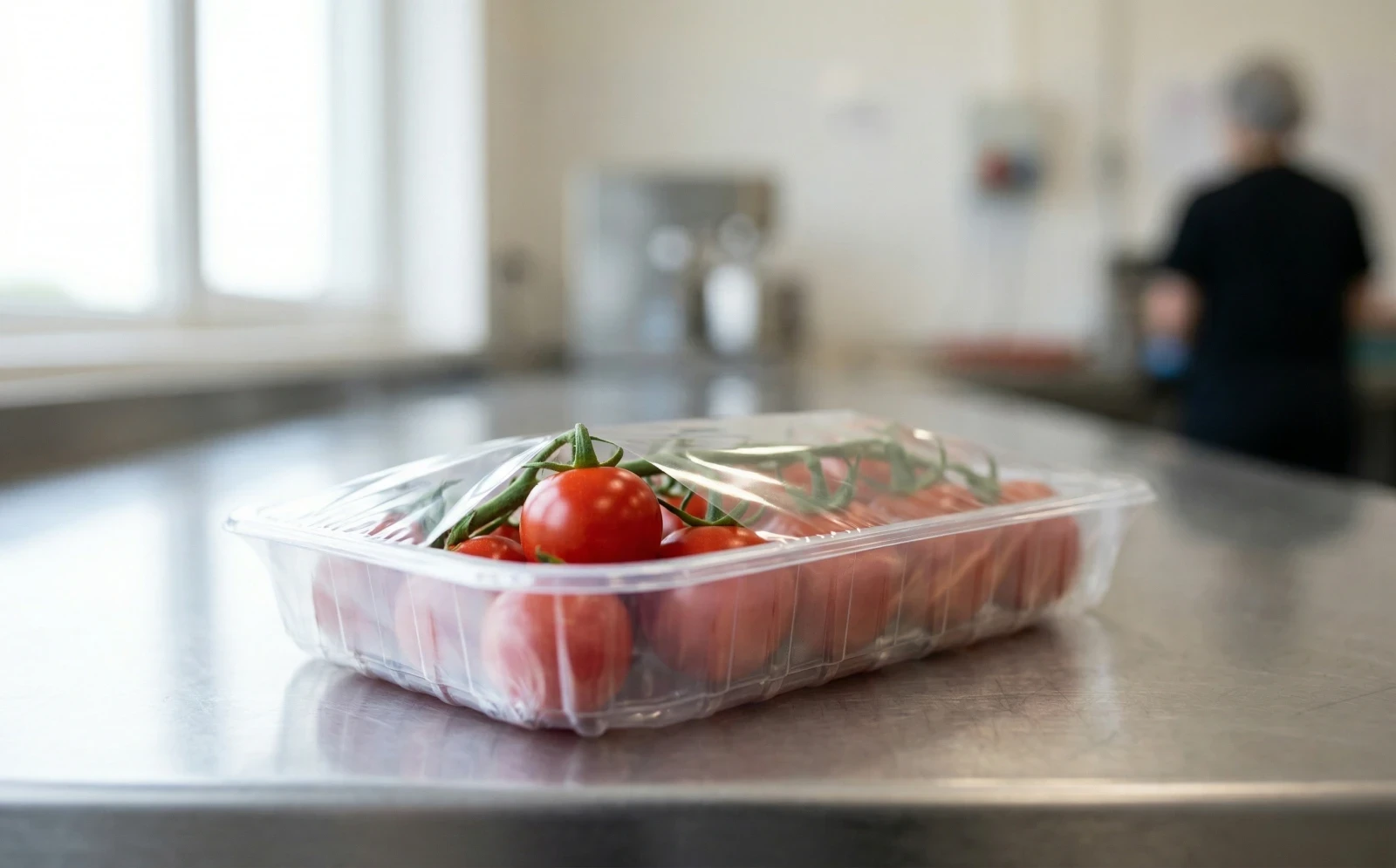
A map packaging machine works by executing a precise three-stage cycle: air evacuation through a high-capacity vacuum pump, the injection of a customized protective gas mixture, and the hermetic thermal sealing of the container. This mechanical process replaces the reactive oxygen surrounding your product with inert gases like nitrogen and carbon dioxide, effectively halting the biological degradation that leads to spoilage and waste.
In your current production environment, you likely face significant pressure to maintain the fresh appearance of your food products while expanding your distribution network to more distant retail partners. Rapid oxidation and microbial growth can turn a high-quality batch of meat or produce into unsellable waste within days, forcing you to absorb high operational losses and limiting your market reach. Understanding the internal mechanics of a modified atmosphere packaging machine allows you to implement a stable, high-efficiency production line that guarantees product integrity and maximizes your profitability.
What is the mechanical sequence of a map packaging machine?
The mechanical sequence of a map packaging machine involves the synchronization of product placement, vacuum extraction, gas infusion, and heat sealing within a single controlled chamber or automated conveyor cycle. By following a rigid timing protocol managed by a central PLC, a map packaging machine ensures that the atmospheric environment inside each package is identical, providing a consistent shelf life for every unit in your production run.
The Loading and Vacuum Stage
The process begins when your product is positioned within the sealing zone, either manually in a drawer-style unit or automatically on an inline conveyor. Once the chamber closes, the vacuum pump activates to remove ambient air from the headspace of the package and the pores of the food itself.
Here is the deal. The depth of the vacuum is measured in millibars, and reaching a level of 5 to 10 millibars is necessary to ensure that residual oxygen does not remain trapped within the container. If the air evacuation is incomplete, the protective gas injected in the next stage will be diluted, significantly reducing its antimicrobial effectiveness.
The Gas Injection Phase
Immediately after the vacuum reaches the pre-set limit, the machine opens the gas injection valves to fill the void with a specific gas blend. This mixture is typically composed of carbon dioxide to inhibit aerobic bacteria and nitrogen to act as a filler that prevents the package from collapsing.
You should know that the speed of this injection must be carefully controlled to avoid damaging delicate items like leafy greens or soft pastries. High-precision nozzles ensure that the gas is distributed evenly throughout the package, creating a uniform protective cushion that surrounds the product and maintains its physical structure.
| Phase | Mechanical Action | Typical Duration |
| Vacuum | Air extraction via pump | 3-8 seconds |
| Injection | Gas mixture infusion | 2-4 seconds |
| Transition | Pressure equalization | 1-2 seconds |
The timing of these mechanical actions determines the overall throughput of your facility and the final quality of the modified atmosphere.
Analysis: The initial vacuum and injection stages are the most technically demanding parts of the cycle, requiring high-performance pumps and sensitive pressure triggers.
Key Takeaway: A map packaging machine uses a rapid vacuum-to-gas-flush sequence to replace destructive oxygen with a protective environment that extends product viability.
Why is gas mixing precision vital for machine performance?
Gas mixing precision in a map packaging machine is vital because even a minor deviation in the carbon dioxide or nitrogen ratio can lead to rapid microbial proliferation or the discoloration of fresh protein products. Your map packaging machine relies on integrated digital or mechanical mixing valves to ensure that the gas composition stays within a strict tolerance range, preventing batch failures and maintaining consumer trust.
Digital vs Mechanical Mixing Logic
Most modern industrial systems use digital mixing units that allow you to adjust gas ratios through a touchscreen interface. This flexibility is helpful when you need to switch between different products, such as moving from red meat that requires high oxygen to bakery goods that require 100% nitrogen.
It gets better. Digital mixers use mass flow controllers to measure the actual volume of each gas entering the chamber, rather than just relying on pressure levels. This high-level monitoring prevents the “gas drift” that can happen with older, purely mechanical systems that are sensitive to changes in ambient temperature or tank pressure.
Real-time Sensor Feedback Loops
The machine uses internal sensors to verify that the target atmosphere has been achieved before it proceeds to the sealing stage. If the sensors detect an imbalance or a failure in the gas supply, the PLC will trigger an alarm and pause the cycle to prevent the production of sub-standard packages.
Look at it this way. A map packaging machine that lacks real-time feedback puts your entire shipment at risk because you might not discover a gas mixture error until the product reaches the retail shelf. High-quality systems include a sampling port that allows your QC team to test the internal atmosphere of a finished package without stopping the entire line.
| Mixing Type | Accuracy Level | Best Application |
| Mechanical Valve | +/- 2% | Single-product lines |
| Digital Mass Flow | +/- 0.5% | Multi-product B2B plants |
| Pre-mixed Tanks | Fixed | Low-volume operations |
Maintaining the calibration of these mixing components is a primary responsibility for your technical maintenance team to ensure consistent results.
Analysis: Precision in the gas mixture is the only way to ensure that the chemical and biological defenses of the package remain active throughout the distribution chain.
Key Takeaway: Precision gas mixing components are the brain of the machine, ensuring that every package receives the exact chemical environment required for its specific biology.
How does the sealing process ensure atmospheric stability?
The sealing process ensures atmospheric stability by using calibrated heat and pressure to fuse high-barrier films to the tray flange, creating an airtight barrier that prevents the map packaging machine gas mixture from escaping. Without a perfect hermetic seal, the specialized atmosphere created by your map packaging machine would dissipate within hours, allowing ambient oxygen to infiltrate and spoil your product.
Thermal Calibration and Pressure Settings
The sealing bars are the final mechanical interaction in the cycle, where temperature, pressure, and time must be perfectly balanced. The temperature must be high enough to melt the inner layer of the film without burning the top layer or warping the tray itself.
You might wonder how to handle variations in film thickness. Most industrial systems use Teflon-coated aluminum sealing heads that provide even heat distribution across the entire surface of the tray. This prevents “cold spots” that could lead to micro-leaks, which are often invisible to the naked eye but catastrophic for the shelf life of the product.
Interaction with High-Barrier Materials
The machine must be compatible with films that contain Ethylene Vinyl Alcohol (EVOH) or other high-barrier polymers. These materials are designed to have extremely low oxygen transmission rates, keeping the internal gas stable for weeks or even months.
Here is the deal. The seal must be strong enough to survive the pressure changes that occur during high-altitude transport or the physical handling in a retail environment. A high-quality map packaging machine will perform a “leak test” by applying a momentary burst of pressure to the finished seal to verify its integrity before it leaves the chamber.
| Sealing Variable | Target Control | Impact on Quality |
| Temperature | 130°C – 180°C | Prevents micro-leaks |
| Dwell Time | 1.0 – 2.5 seconds | Ensures permanent bond |
| Pressure | 4 – 6 Bar | Flattens wrinkles in film |
The relationship between the machine’s sealing hardware and the choice of packaging material determines the final success of your MAP implementation.
Analysis: Thermal sealing is the final gateway of the process, and any failure here negates all the technical work performed in the vacuum and gas stages.
Key Takeaway: Robust thermal sealing creates a permanent physical barrier that locks in the modified atmosphere and protects your product from external contamination.
Reliancepak provides the engineering expertise and high-performance equipment you need to master these complex mechanical processes. Our systems are designed to offer the gas precision and sealing reliability required by modern B2B food producers, helping you reduce waste and scale your operations with confidence. If you are ready to implement a professional-grade packaging solution, we suggest contacting our technical staff to discuss your specific production requirements.
Our brand vision is centered on providing durable, efficient machinery that bridges the gap between production and the consumer’s table. We focus on technical accuracy and long-term reliability to ensure that your facility remains a leader in food safety and quality management.
FAQ
Does a map packaging machine require a constant gas supply?
Yes. To function correctly, the machine must be connected to pressurized tanks of food-grade nitrogen, carbon dioxide, or oxygen. Most industrial facilities use a centralized gas manifold or a series of large cylinders to ensure uninterrupted production during high-volume shifts.
Can the machine handle different tray sizes?
Yes. Most industrial tray sealers use interchangeable mold sets that can be swapped in under 20 minutes. This allows you to package different volumes of product on the same machine without investing in multiple pieces of equipment.
Is the gas mixture safe for the operators?
Yes. While the gases are non-toxic, the machine should be operated in a well-ventilated area to prevent the buildup of nitrogen or carbon dioxide in the event of a leak. Safety sensors are available to monitor the oxygen levels in the room as an added precaution for your staff.
How often should I calibrate the gas mixing valves?
You should perform a calibration check at least once a month or whenever you change your product recipes. Regular testing with a handheld gas analyzer ensures that the machine’s internal sensors remain accurate and that your shelf-life guarantees stay valid.
Can I use a map packaging machine for liquid products?
Yes. However, the machine requires a special “vacuum-stop” feature or a lower vacuum speed to prevent liquids from boiling or being sucked into the vacuum pump during the air removal phase. Your supplier can configure the machine software to handle these specific product characteristics.