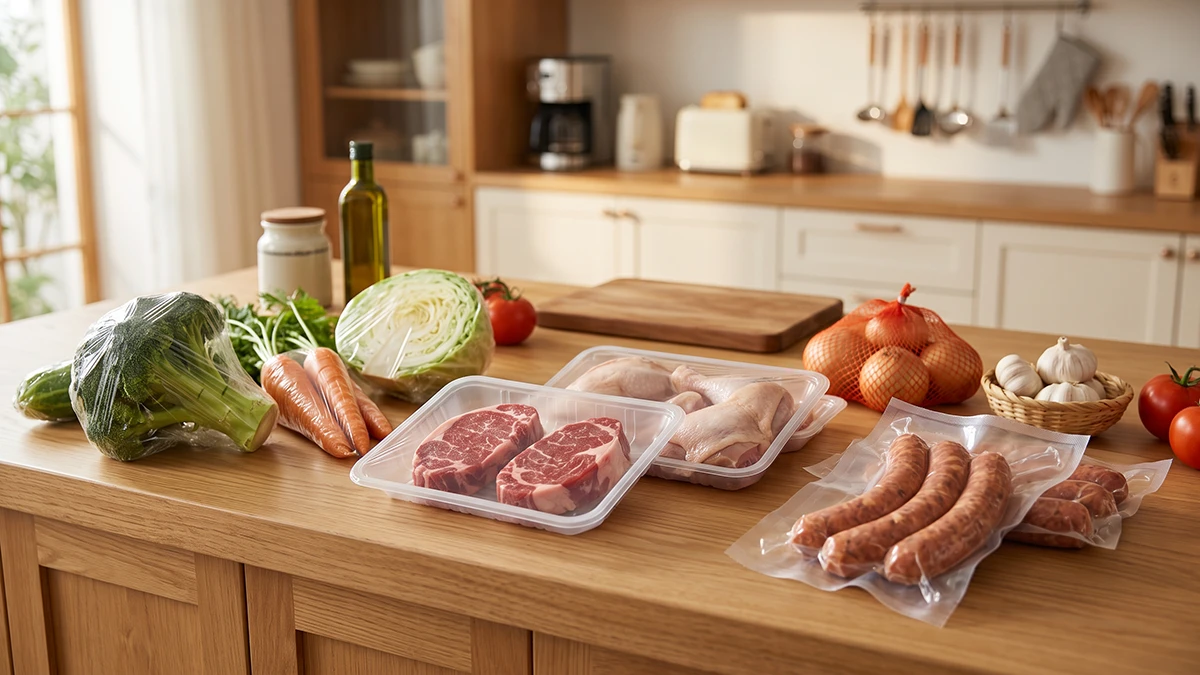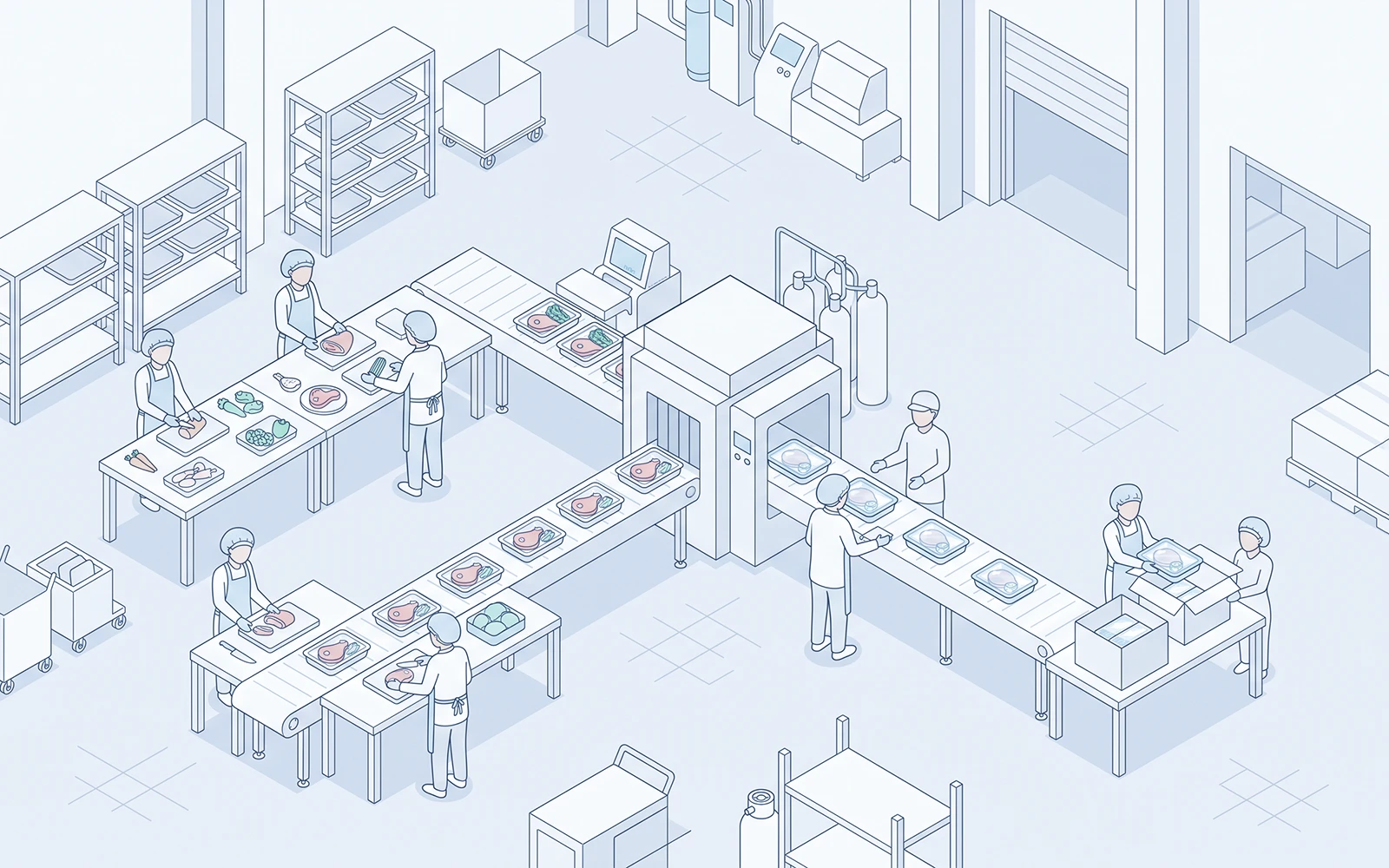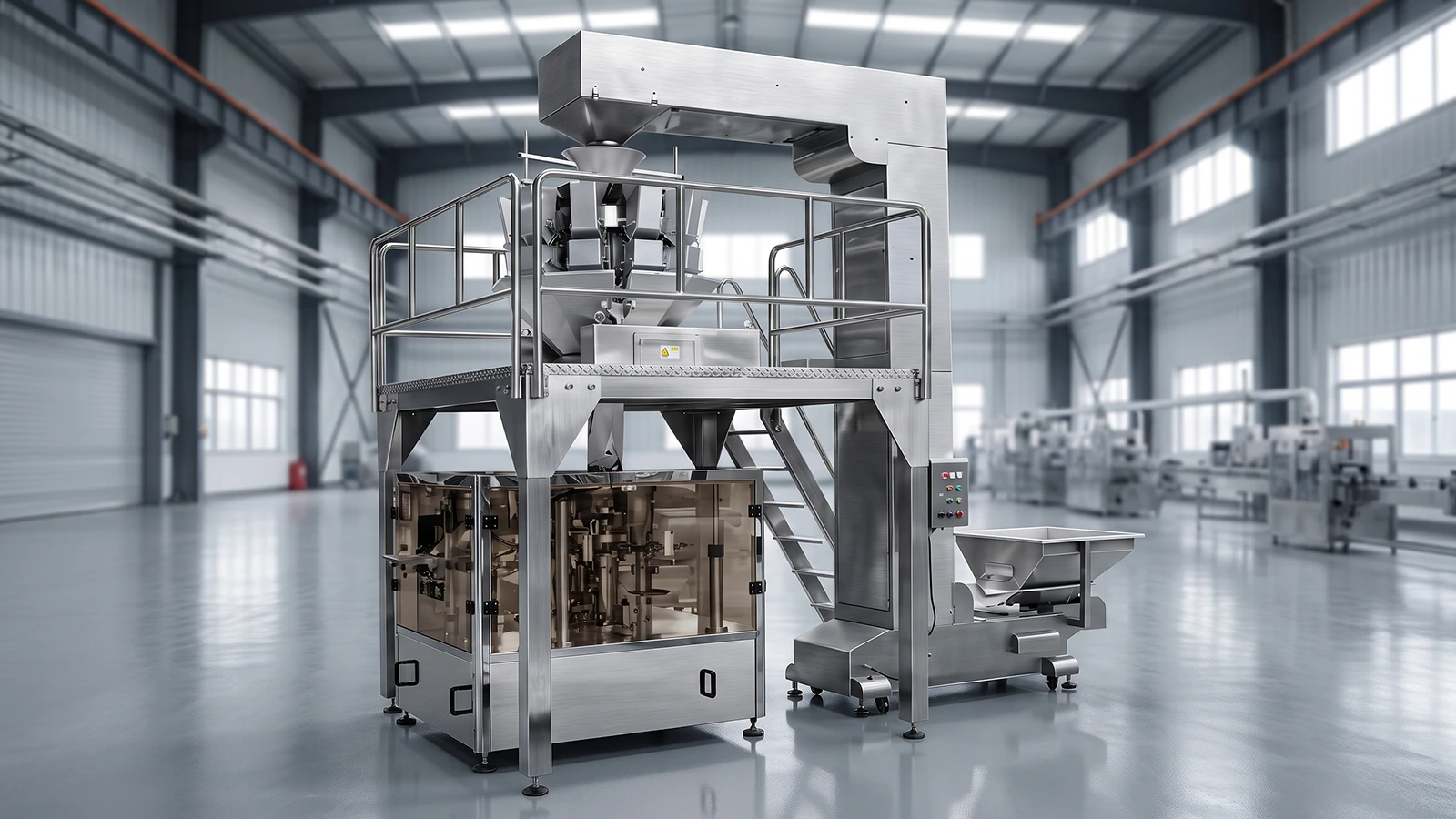
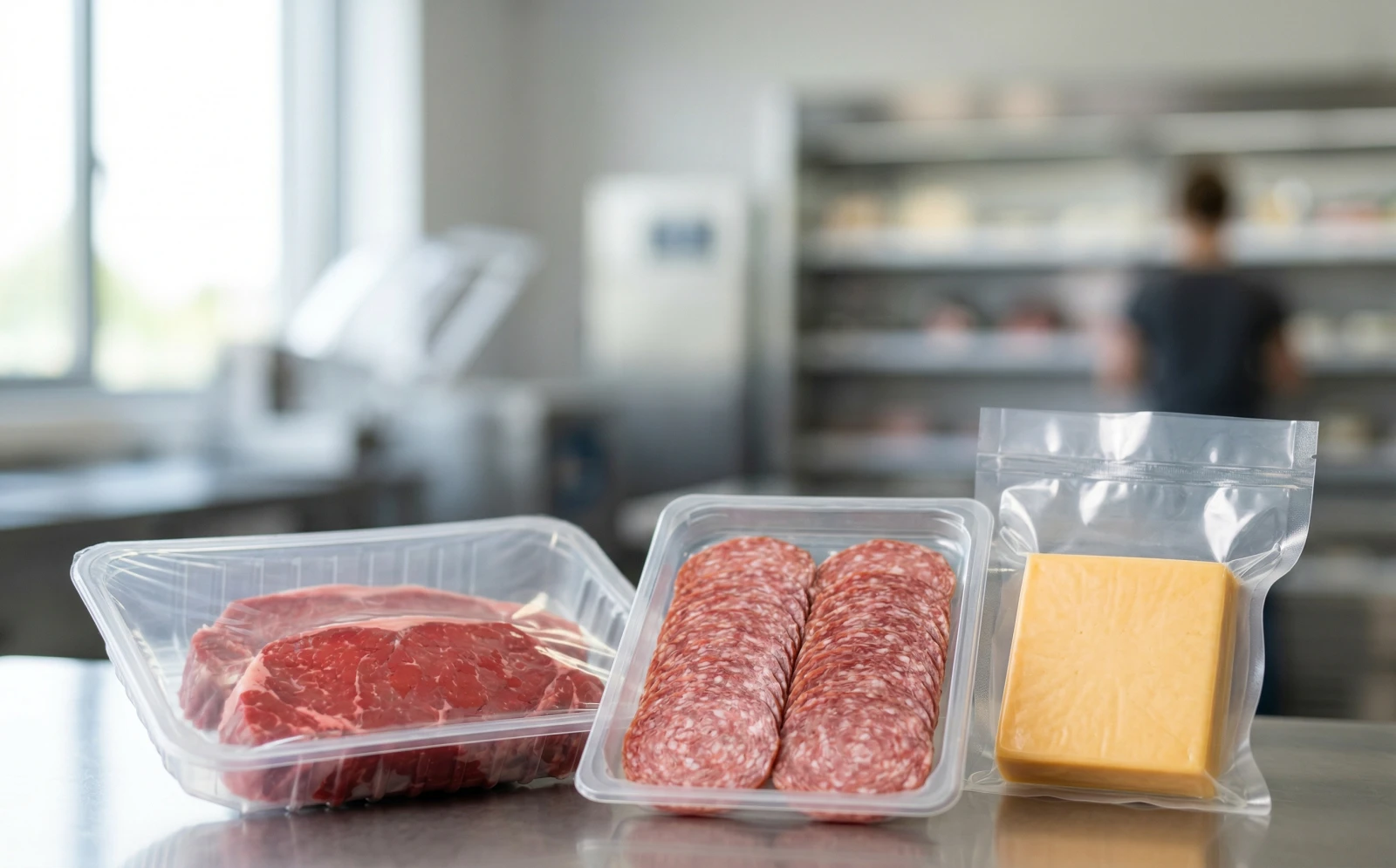
The primary types of modified atmosphere packaging machines include tray sealers for retail-ready presentations, thermoformers for high-speed continuous production, and chamber systems for flexible pouch applications. These categories are defined by their automation level, the specific packaging format they support, and their overall throughput capacity in an industrial environment.
You are likely managing a production line where maintaining the freshness of meat, produce, or ready meals is a daily logistical struggle. Choosing the wrong equipment leads to inconsistent gas mixtures or slow output speeds that prevent you from meeting the demands of large-scale retailers. This guide provides a detailed technical comparison of the different systems available, helping you select a solution that aligns with your facility’s goals and ensures long-term product stability.
What are the main categories of a map packaging machine?
The main categories of a map packaging machine are tray sealers, thermoforming systems, chamber machines, and horizontal flow-wrappers. Each category is engineered to handle specific packaging materials ranging from rigid plastic trays to flexible high-barrier films. (Keyword: map packaging machine).
Your facility might require different formats depending on whether you are supplying bulk ingredients to other factories or retail-ready meals to supermarkets. Understanding these categories is the first step in following the comprehensive guide to modified atmosphere packaging machines for your business expansion.
Rigid vs Flexible Packaging Formats
Here is the deal: the physical nature of your product determines which machine category is most efficient for your workflow.
- Rigid tray systems are preferred for products that require physical protection from crushing, such as soft fruits or sliced meats.
- Flexible pouch systems are more space-efficient and are often used for bulk industrial portions or snacks.
- Skin packaging combined with MAP is a hybrid format used for high-end protein products to maximize visual appeal.
- Continuous film systems are utilized for high-speed operations where the container is created and sealed in one motion.
| Machine Category | Container Type | Best Use Case |
| Tray Sealer | Pre-formed Trays | Retail-ready meat and meals |
| Thermoformer | Film-formed Trays | High-volume industrial production |
| Chamber Machine | Flexible Pouches | Bulk bags and small batches |
| Flow-Wrapper | Bagged Film | Bakery and produce |
Analysis: Selecting a machine category based on the final package format ensures that your product meets consumer expectations for quality and convenience.
Key Takeaway: Identifying the correct machine category is essential for balancing product protection with the specific requirements of your target market.
How do tray sealers provide retail-ready MAP solutions?
Tray sealers provide retail-ready solutions by applying a high-barrier top film to a pre-formed tray after the internal atmosphere has been replaced with a protective gas blend. This type of map packaging machine is the industry standard for premium food presentations in supermarkets.
These machines are highly valued for their ability to create a clean, aesthetic finish that consumers associate with high-quality fresh food. They allow you to maintain a neat display while ensuring the product inside remains protected from external contaminants.
Scalability from Manual to Automatic
Look at it this way: tray sealers offer a modular path for businesses that plan to scale their production over time.
- Semi-automatic drawer-style sealers are perfect for regional producers testing new markets or small batches.
- Automatic inline tray sealers integrate with conveyor belts to handle continuous feeds of up to 60 units per minute.
- Rotary tray sealers provide a compact footprint for facilities with limited floor space but high-speed needs.
- Multi-cavity molds allow the machine to process four or more trays in a single cycle, increasing efficiency without increasing labor.
| Sealer Type | Throughput | Automation Level |
| Tabletop Sealer | 2-4 packs/min | Manual |
| Single-Drawer | 5-8 packs/min | Semi-Automatic |
| Inline System | 20-60 packs/min | Fully Automatic |
| Rotary System | 15-30 packs/min | High-Speed Compact |
Analysis: Tray sealers offer the greatest flexibility for B2B suppliers who need to switch between different tray sizes frequently.
Key Takeaway: A tray-based map packaging machine is the optimal choice if your primary goal is a professional, shelf-ready appearance for retail consumers.
What makes thermoforming map packaging machines ideal for high volume?
Thermoforming systems are ideal for high-volume production because they create the container from a roll of film, fill it, and seal it in one continuous automated motion. This version of a map packaging machine reduces material costs by eliminating the need to purchase pre-formed trays.
For large-scale food processors, the speed of a thermoformer is unmatched, often exceeding 100 packages per minute. This level of automation reduces the number of staff required on the floor while increasing the total daily output of your facility.
Integrated Forming and Sealing Logic
Think about it: by creating the tray on-site, you gain total control over the package depth and thickness to suit your product’s specific needs.
- The bottom film is heated and vacuum-formed into the desired tray shape within the machine’s first station.
- Products are loaded into the newly formed trays either manually or by automated robotic arms.
- The MAP station extracts air and injects the gas mixture before the top film is fused to the tray.
- Individual packages are cut from the continuous film web at the final stage of the machine.
| Advantage | Benefit to Buyer | Long-term Impact |
| Film Roll Feed | Lower material costs | Higher profit margins |
| High Speed | Maximum throughput | Faster order fulfillment |
| Custom Depth | Material optimization | Reduced plastic waste |
| Single Operator | Low labor overhead | Consistent production quality |
Analysis: The initial investment in a thermoforming system is higher, but the operational savings on materials make it the most cost-effective choice for large-scale operations.
Key Takeaway: Thermoforming map packaging machine technology is the ultimate solution for industrial players who prioritize throughput and material cost reduction.
When should you use a chamber-style map packaging machine?
Use a chamber system when you need to package products in flexible pouches or bulk bags that require a deep vacuum and a precise gas flush. This map packaging machine is versatile enough to handle everything from small retail bags to 25kg industrial containers.
Chamber machines are known for their reliability and deep vacuum capabilities, making them the preferred choice for products with long shelf-life requirements. They are particularly effective for processed meats, cheeses, and industrial components that do not require a rigid tray.
Versatility for Diverse Product Sizes
It gets better: a single chamber machine can process multiple different bag sizes in the same cycle as long as they fit within the sealing bar length.
- Double chamber models allow operators to load one side while the other side is undergoing the vacuum and gas cycle.
- Vertical chamber systems are specifically designed for liquids or powders that would spill in a horizontal layout.
- Flat-deck designs make it easy to clean the machine, ensuring high hygiene standards for sensitive food products.
- Adjustable sealing bars allow you to customize the machine for extra-long or extra-wide pouches.
| Feature | Chamber Spec | User Benefit |
| Cycle Speed | 2-3 cycles/min | Efficient batch processing |
| Seal Length | 400mm – 1000mm | Versatile bag compatibility |
| Vacuum Pump | 20m3 – 300m3 | Deep air extraction |
| Gas Flush | Multi-nozzle | Rapid atmosphere modification |
Analysis: Chamber systems offer the highest level of vacuum precision, which is critical for preventing the growth of anaerobic bacteria in specific food types.
Key Takeaway: For businesses focused on bulk supply or flexible pouch formats, a chamber-style map packaging machine offers the most reliable and hygienic results.
How do semi-automatic and automatic MAP systems differ?
Semi-automatic systems require an operator to load trays and trigger the cycle, while automatic systems integrate directly with production lines for touchless operation. Choosing the right map packaging machine level of automation depends on your labor costs and daily volume targets.
While semi-automatic machines are more affordable upfront, they are limited by the speed of the human operator. Automatic systems are a larger capital investment but offer the consistency and speed required for 24/7 industrial manufacturing.
Balancing Labor and Output
You might wonder which level of automation provides the fastest return on investment for a growing food factory.
- Semi-automatic units are mobile and can be moved between different production rooms as needed.
- Automatic machines eliminate human error during the loading process, ensuring the seal area stays clean.
- Advanced automatic systems include remote monitoring features to track gas usage and cycle times from a central office.
- Labor savings from an automatic system can often pay for the machine’s price difference within the first year of operation.
| Automation Level | Daily Volume | Staff Required |
| Manual | < 500 packs | 1 Operator |
| Semi-Auto | 500 – 3,000 packs | 1-2 Operators |
| Automatic | 3,000 – 20,000 packs | 0.5 Operator (monitoring) |
| Robotic | > 20,000 packs | Maintenance only |
Analysis: High-growth companies should look toward automatic systems to ensure that their packaging capacity never becomes a bottleneck for their sales team.
Key Takeaway: The choice between semi-automatic and automatic map packaging machine technology should be based on your long-term labor strategy and production scaling plans.
Which map packaging machine is best for flexible pouch formats?
Chamber machines and Horizontal Form Fill Seal (HFFS) systems are the best options for flexible pouch formats. These machines allow a map packaging machine to create a protective environment inside a bag that can be either flat or stand-up (Doypack style).
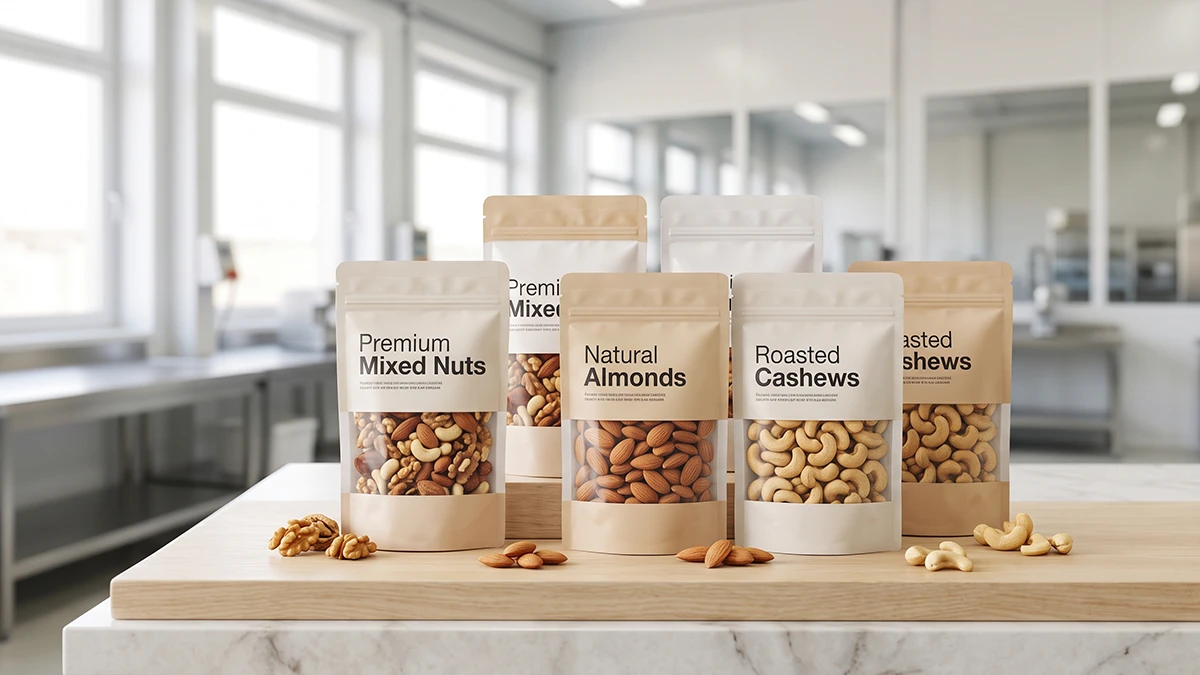
Flexible pouches are becoming increasingly popular because they use less plastic than rigid trays and are easier to transport. Using MAP technology within a pouch ensures that products like nuts, coffee, or snacks remain fresh without becoming stale.
Pouch Integrity and Gas Retention
That is not all: the machine must be able to handle specialized high-barrier films that prevent the protective gas from escaping through the plastic.
- Stand-up pouch machines with MAP are widely used for retail snacks and premium pet foods.
- HFFS systems use a continuous flow of gas to purge the oxygen as the bag is formed around the product.
- Gusseted bags allow for more volume in the package while maintaining a stable base for shelf display.
- Re-sealable zippers can be integrated into the pouch, adding value for the end consumer.
| Pouch Type | Machine Recommendation | Primary Industry |
| Flat Pouch | Chamber / HFFS | Sliced cheese / Snacks |
| Stand-up Bag | Rotary Pouch Filler | Coffee / Premium nuts |
| Bulk Bag | Large Chamber | Industrial ingredients |
| Zipper Pouch | Automatic Pouch Line | Dried fruits / Pet food |
Analysis: Flexible pouch MAP is an excellent way to reduce shipping costs and environmental impact while maintaining professional freshness standards.
Key Takeaway: Selecting a machine that supports flexible pouches allows you to tap into the growing consumer demand for sustainable and convenient packaging.
Why is tooling flexibility important for your map packaging machine?
Tooling flexibility allows a single map packaging machine to handle multiple tray sizes and shapes, which is essential for a business that produces a variety of food items. Without quick-change tooling, your production line would face hours of downtime every time you switched from one product SKU to another.
In a B2B environment, you may receive orders for different retail formats simultaneously. A machine that supports rapid tool changes ensures that you can remain responsive to customer needs without sacrificing efficiency.
Benefits of Rapid Changeover Systems
In simple terms: the faster you can switch your machine’s setup, the more profitable your multi-product facility becomes.
- Modular mold designs allow for “plug-and-play” transitions between different tray depths and widths.
- Heated sealing heads that can be swapped quickly reduce the cooling and reheating time required between batches.
- Automatic PLC recipe storage remembers the gas and vacuum settings for every specific mold set.
- High-precision alignment tools ensure that the film always sits perfectly on the tray, regardless of the shape.
| Tooling Feature | Advantage | Time Saved |
| Quick-Change Molds | Switch between products | 30-60 minutes |
| PLC Recipe Memory | Instant setting recall | 5-10 minutes |
| Interchangeable Heads | Handle different films | 15-20 minutes |
| Modular Inserts | Adjust tray depth | 5 minutes |
Analysis: Flexible tooling is a critical feature for co-packers and regional producers who handle a diverse portfolio of fresh food brands.
Key Takeaway: Investing in a map packaging machine with high tooling flexibility is the best way to future-proof your facility against changing market demands.
How do you match machine capacity to your production goals?
Matching machine capacity to your goals involves calculating your required daily pack volume and comparing it to the cycles-per-minute (CPM) rating of the map packaging machine. To ensure long-term success, you should choose a system that can handle 20% more than your current peak demand.
Purchasing a machine that is too small will force you to run multiple shifts and increase labor costs. Conversely, a machine that is too large for your current needs may result in wasted energy and higher maintenance overhead.
Calculating Your True Output Needs
To be fair: the cycle speed listed on a specification sheet is often based on “dry cycles” and will be slower once you add the vacuum and gas flush times.
- Calculate your average packages per day based on your busiest month of the year.
- Determine how many hours per day you intend to run the packaging line.
- Factor in 15% downtime for cleaning, material changes, and routine maintenance.
- Check if the machine’s vacuum pump is powerful enough to maintain your desired speed without overheating.
| Production Target | Required CPM | Recommended Machine |
| 2,000 units/day | 4 – 6 CPM | Semi-Auto Tray Sealer |
| 10,000 units/day | 25 – 30 CPM | Automatic Inline Sealer |
| 30,000 units/day | 70+ CPM | High-speed Thermoformer |
| Lab/R&D | 1-2 CPM | Tabletop Chamber |
Analysis: A thorough capacity analysis prevents the expensive mistake of purchasing equipment that fails to keep pace with your sales growth.
Key Takeaway: Correct capacity matching ensures a smooth workflow, lower operational stress, and a faster return on investment for your packaging equipment.
Reliancepak understands that every production facility has unique requirements, which is why we offer a comprehensive range of MAP solutions tailored to different industries. Our engineering team focuses on providing durable, high-efficiency machinery that minimizes waste and maximizes product quality. If you are ready to explore the best machine type for your specific application, we suggest reaching out to our experts for a personalized technical consultation.
Our brand is committed to advancing the future of food preservation through reliable and innovative technology. We prioritize the needs of B2B buyers by ensuring our machines are not only technically superior but also easy to maintain and scale as your business expands.
FAQ
Can I use a tray sealer for products in bags?
No. Tray sealers are specifically designed to bond a top film to a rigid tray. If you primarily use bags or pouches, a chamber-style map packaging machine or an HFFS system would be the appropriate choice for your facility.
How long does it take to change the molds on a MAP machine?
Yes, it varies by model. On a professional-grade Reliancepak machine, a standard tool change for a tray sealer usually takes between 15 and 25 minutes, allowing you to switch production lines quickly with minimal downtime.
Is a thermoformer better than an inline tray sealer?
Yes and No. A thermoformer is better for very high-volume, single-format production because it lowers material costs. However, an inline tray sealer is often more flexible if you need to switch between many different tray shapes and sizes throughout the week.
Do automatic machines require more maintenance than manual ones?
Yes, because they have more moving parts and integrated sensors. However, the increased maintenance is offset by the massive reduction in labor costs and the higher consistency of the final product.
Can one machine handle both vacuum packaging and MAP?
Yes. Most industrial MAP machines allow you to choose between “Vacuum Only” or “Vacuum + Gas” modes in the PLC settings, giving you the flexibility to package different product types on a single unit.
Meta Description:
Compare types of modified atmosphere packaging machines (MAP). Detailed B2B guide on tray sealers, thermoformers, and chamber systems for food production.